

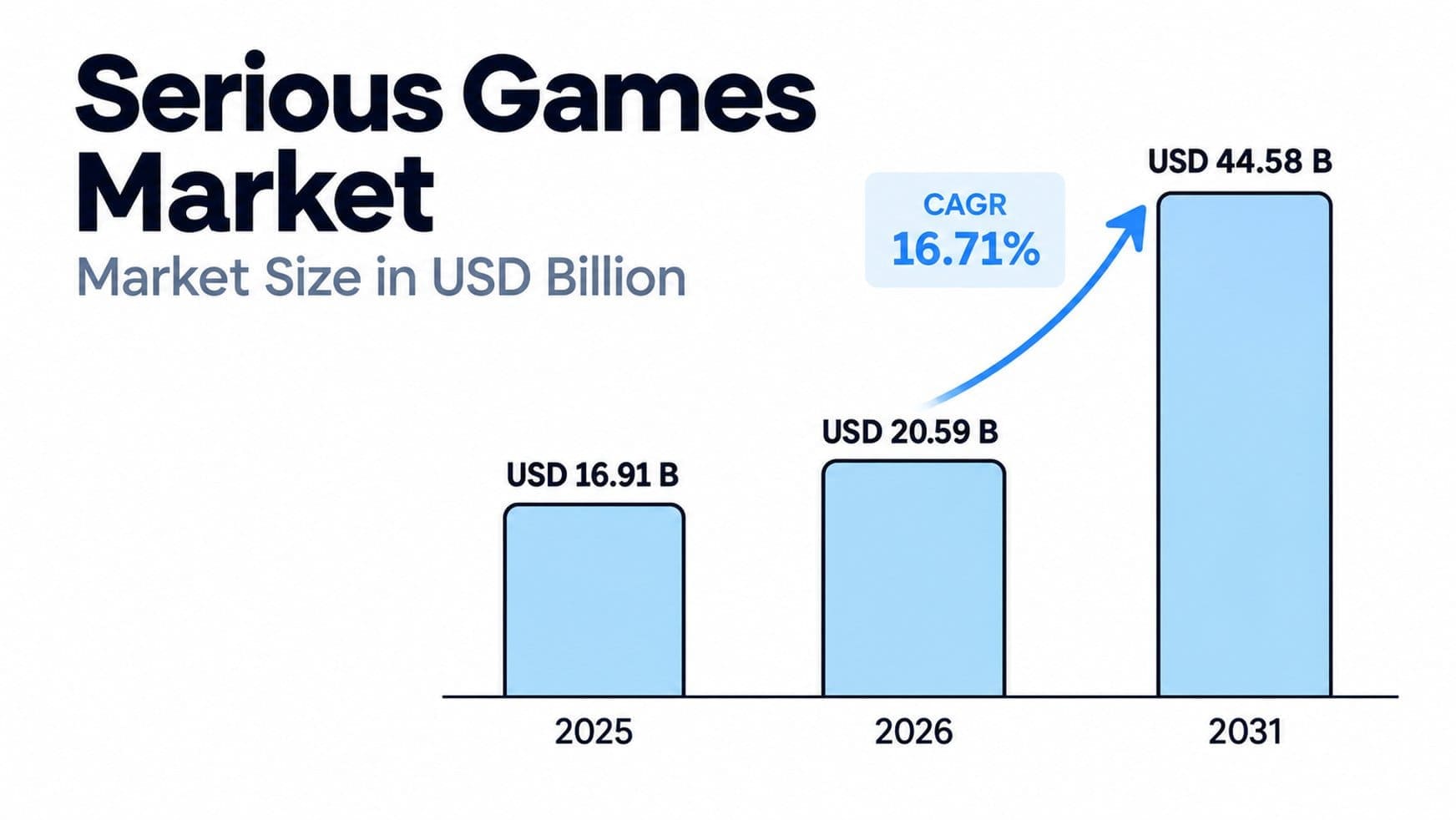
The serious games development market has peaked at USD 20.59 billion in 2026, growing at 16.7% a year. However, it is not the limit, as the usefulness of these games is proved which leads the markets to reach an astounding USD 44.58 billion by 2031. The Business Research Company gives a slightly smaller estimate – USD 16.72 billion in 2026, on the way to USD 39.17 billion by 2030.
Whichever way you look at it, the serious game development services are on the rise and they are applicable across the industries.
In this guide to serious games development, we will show all the ins and outs for someone who wants to commission a project. It might be less interesting for anyone from the game industry, academic reviewers or the L&D lead building a business case.
A serious game is designed around a real-world objective (learning, training, behaviour change, healthcare, simulation, awareness) and uses genuine game mechanics to deliver it.
We will explore:
- How exactly is a serious game different from an entertainment one, and why it is not the same as gamification, and a simulation
- What types of serious games you can get developed
- The benefits of serious games
- In what areas serious games is the best to use
- Best serious games examples, particularly Australian projects
- How serious game development process look like, and what phases are there
- How Fgfactory works with serious games and what the studio can deliver
What are serious games?
Serious games are, first of all, educational tools. Normally, games are fun and entertaining, and that’s the most usual definition of a “game” for most people. While serious games can be fun, their main goal is help a player to acquire specific skill or even behavior.
Different types of serious games tend to aim at different learning goals, but the essence of the game remains: you fight through obstacles, achieve levels, etc.
The original term is surprisingly old, as it was coined in 1970. It did not come from serious games developers, but was described by American systems analyst Clark C. Abt. In his book, called Serious Games he described war games, business simulations and paper role-plays.
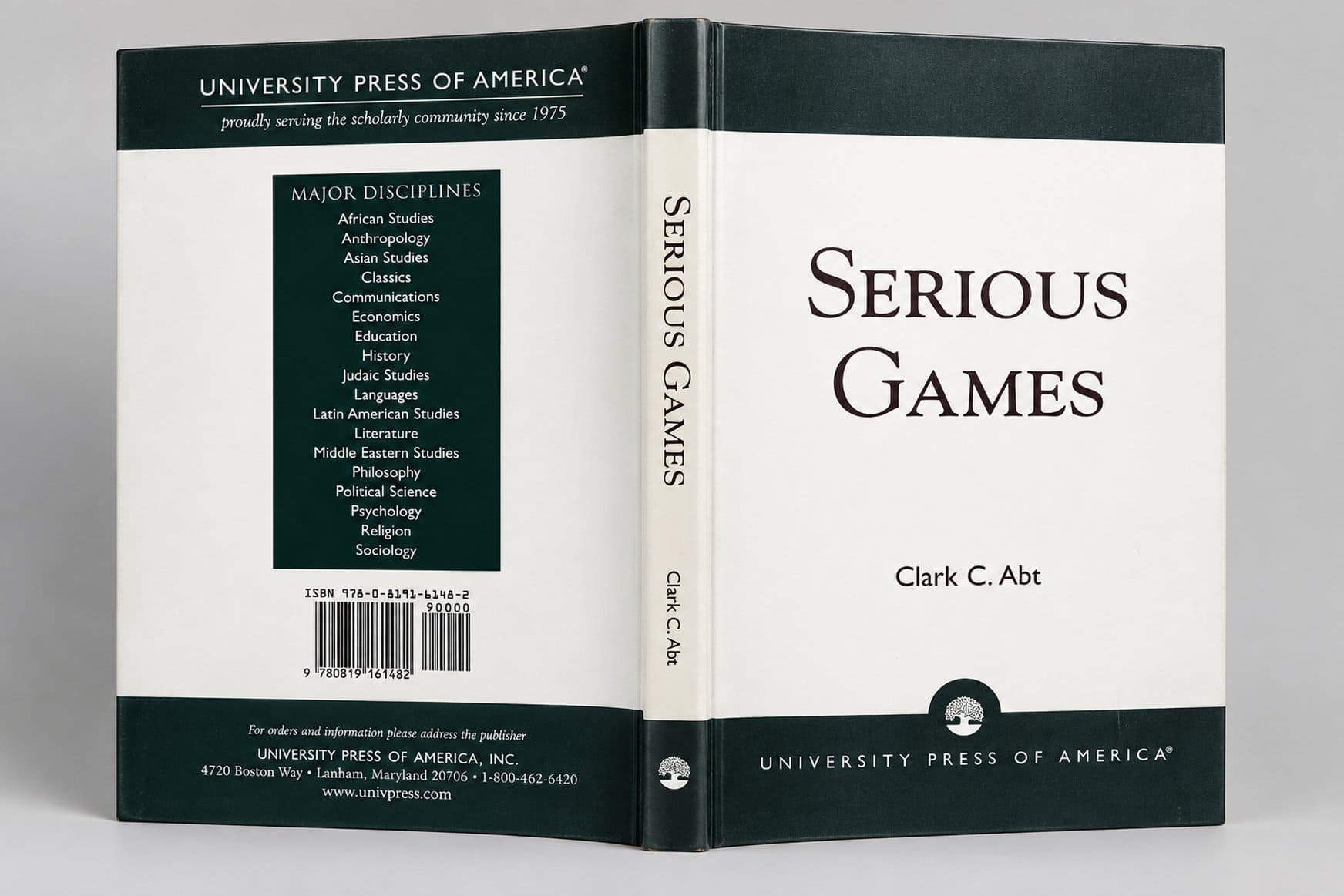
Book “Serious Games” written by Clark C. Abt
However, his definition is still appropriate to digital games nowadays. Just because the core idea, which is using a game to hit a defined outcome, doesn’t depend on the format.
Now, you might hear the term “transformational games“. They argue “serious” makes the category sound boring or misleading, and it can appear like that to some audiences. Buyers that hear it for the first time, might picture a training video with a scoreboard on top. The industry hasn’t agreed on a replacement and probably won’t, but in the end these are all technicalities: what matters is what the thing does, not what you call it.
For a project to count as a serious game, you need just two things:
- It’s built for something beyond entertaining the player.
- It’s actually a game, not something as simple and plain as a quiz with animations.
If you don’t have at least one of those, you can not call it a serious game. You have a video game, or you have training with a score attached.
Did You Know?
Abt wrote Serious Games in 1970, on a typewriter. He was describing paper-based simulation exercises for the US Department of Defense and the Peace Corps. Every serious game published since traces back to that book.
Serious games vs entertainment games
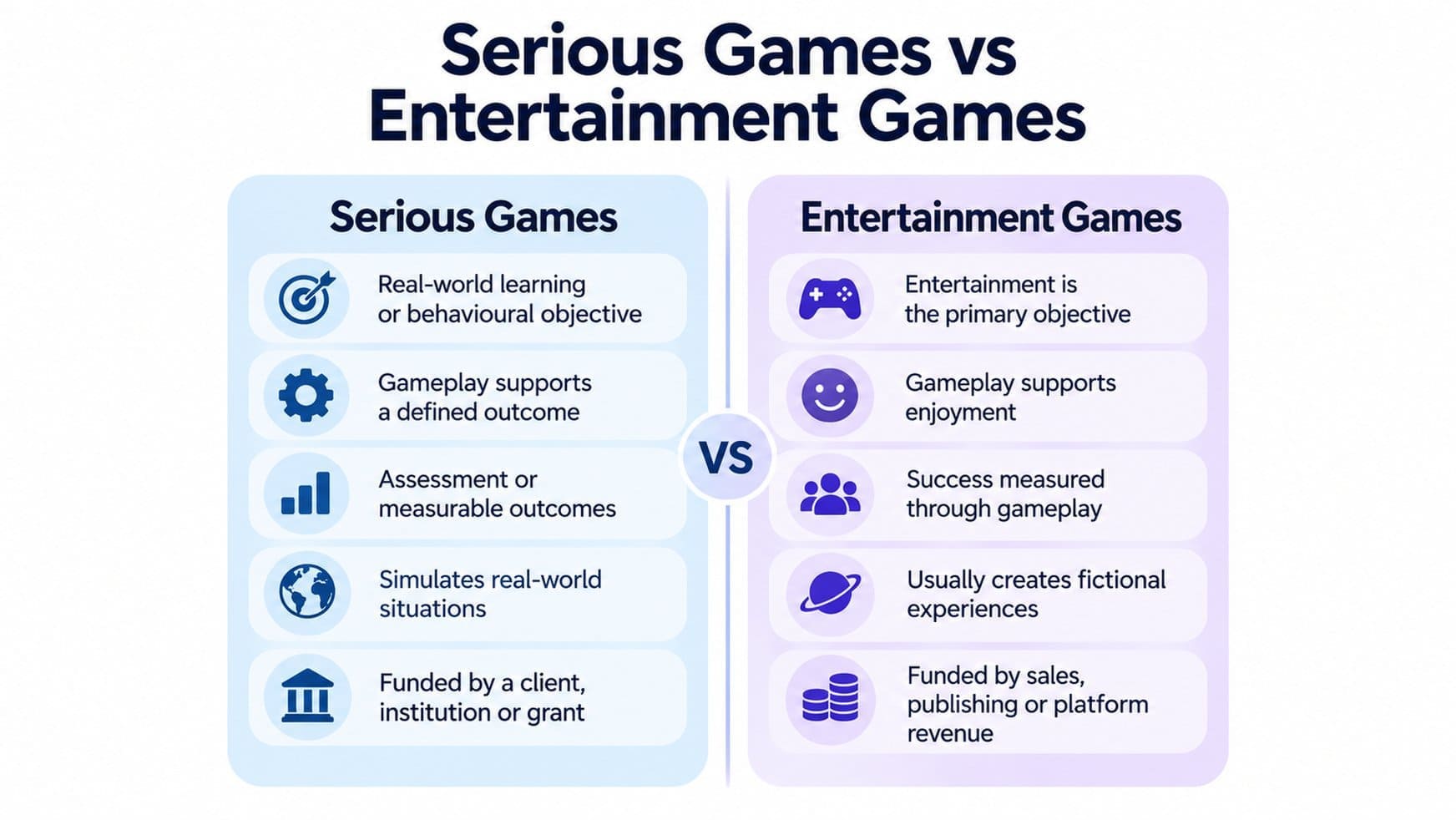
The difference is not that entertainment games are fun and serious games are, as the name suggests, “serious”. As we partly touched on before, they are optimised against different things. An entertainment game has different success measuring points. It can be something like enjoyment, engagement, revenue and reputation.
A serious title measures success in an external outcome, and it is way more tangible. For example, did the trainee learn, did the behaviour change, and so on. Engagement in this case is not that vital on its own, because its only value is in delivering the outcome.
However, all that we have described does not say that a serious game can offer weak features or boring gameplay and still succeed at allowing players to learn. If it does not deliver traditional gaming qualities, it most likely will fail.
| Serious games | Entertainment games |
| Real-world learning or behavioural objective | Entertainment is the primary objective |
| Gameplay supports a defined outcome | Gameplay primarily supports enjoyment |
| Often includes assessment or measurable outcomes | Success is usually measured through gameplay |
| May simulate real-world situations | Usually creates fictional or entertainment-focused experiences |
| Funded by a client, institution or grant | Funded by sales, publishing or platform revenue |
Serious games vs gamification
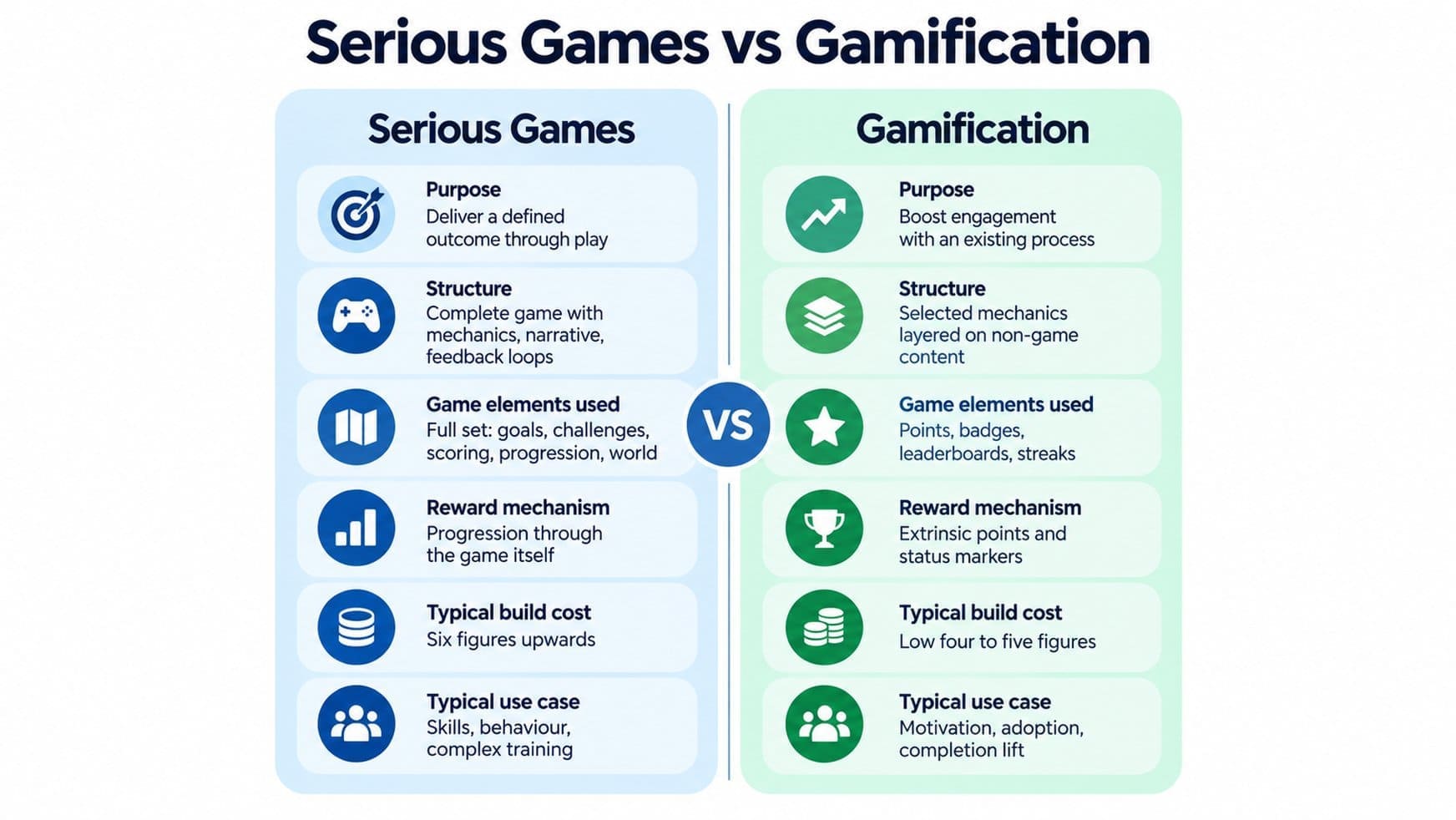
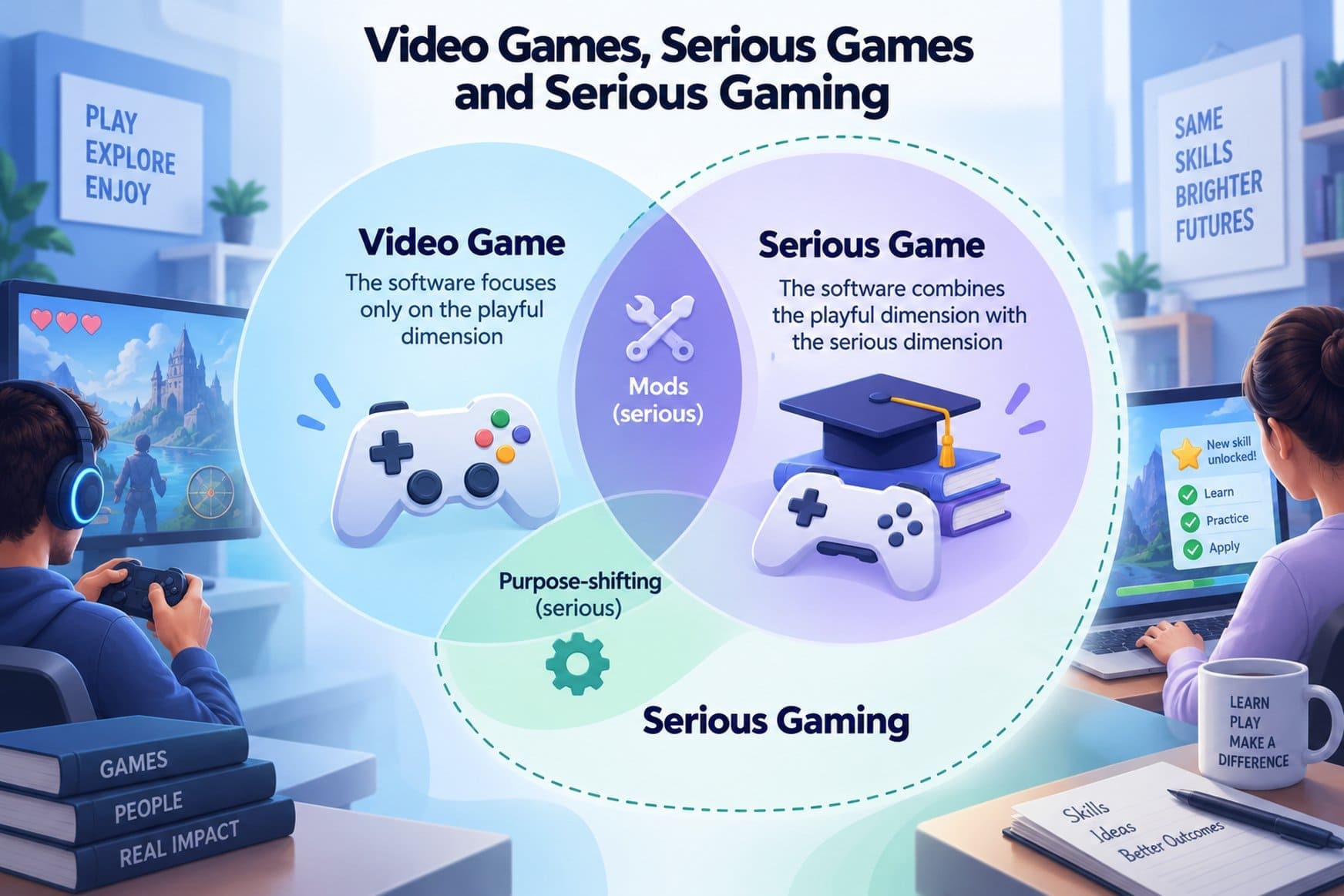
In many cases people confuse serious games vs gamification. Vendors use the terms interchangeably. So let’s clear the distinction. A serious game is a full game, built around a serious purpose. Gamification takes a few game elements like points, badges, streaks, leaderboards, progress bars and adds them on top or to something that is not even a game. Essentially, gamification just gamifies a non-gaming experience, that’s all.
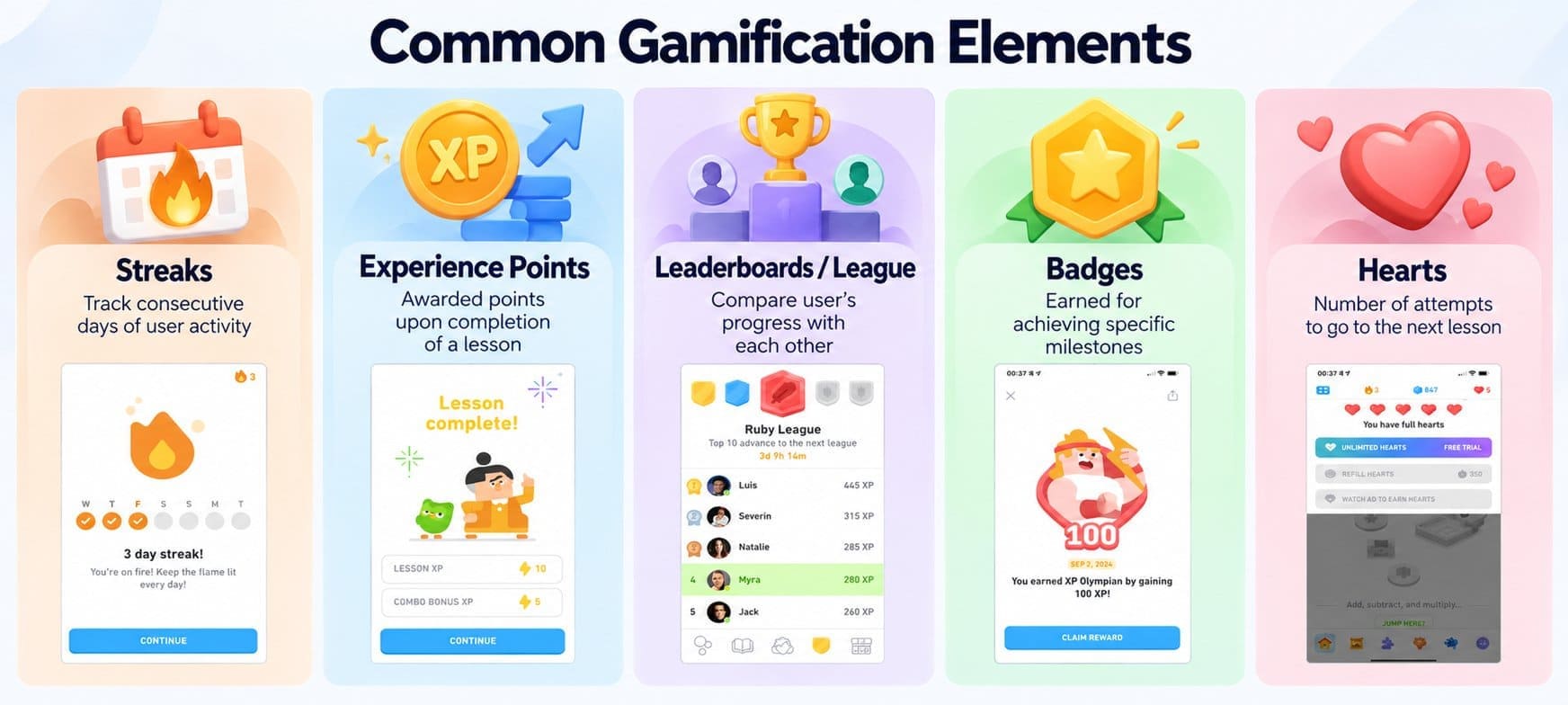
For example, all Duolingo lessons are gamified: you get experience points, streaks, badges, leagues, weekly quests and everything else that makes learning more fun and engaging. However, their story mode is closer to a serious game. It’s a short interactive story built to teach comprehension, with its own scoring and feedback.
The difference matters when you’re spending money. Gamification is cheaper and faster, and you can plug it into your existing LMS. From there, it will increase completion rates on training you already have.
A serious game costs more and takes longer to build. But it can teach things that gamification is not capable of, and frankly not supposed to. That’s why serious games vs gamification is a decision you made according to your objectives, but they are certainly not synonyms.
| Serious game | Gamification | |
| Purpose | Deliver a defined outcome through play | Boost engagement with an existing process |
| Structure | Complete game with mechanics, narrative, feedback loops | Selected mechanics layered on non-game content |
| Game elements used | Full set: goals, challenges, scoring, progression, world | Points, badges, leaderboards, streaks |
| Reward mechanism | Progression through the game itself | Extrinsic points and status markers |
| Typical build cost | Six figures upwards | Low four to five figures |
| Typical use case | Skills, behaviour, complex training | Motivation, adoption, completion lift |
Serious games vs simulations
These two types are closer, but still, they are not interchangeable. Simulations are not falling into the category of games, because they lack goals or even a story. And yet, most serious games have simulation in them.
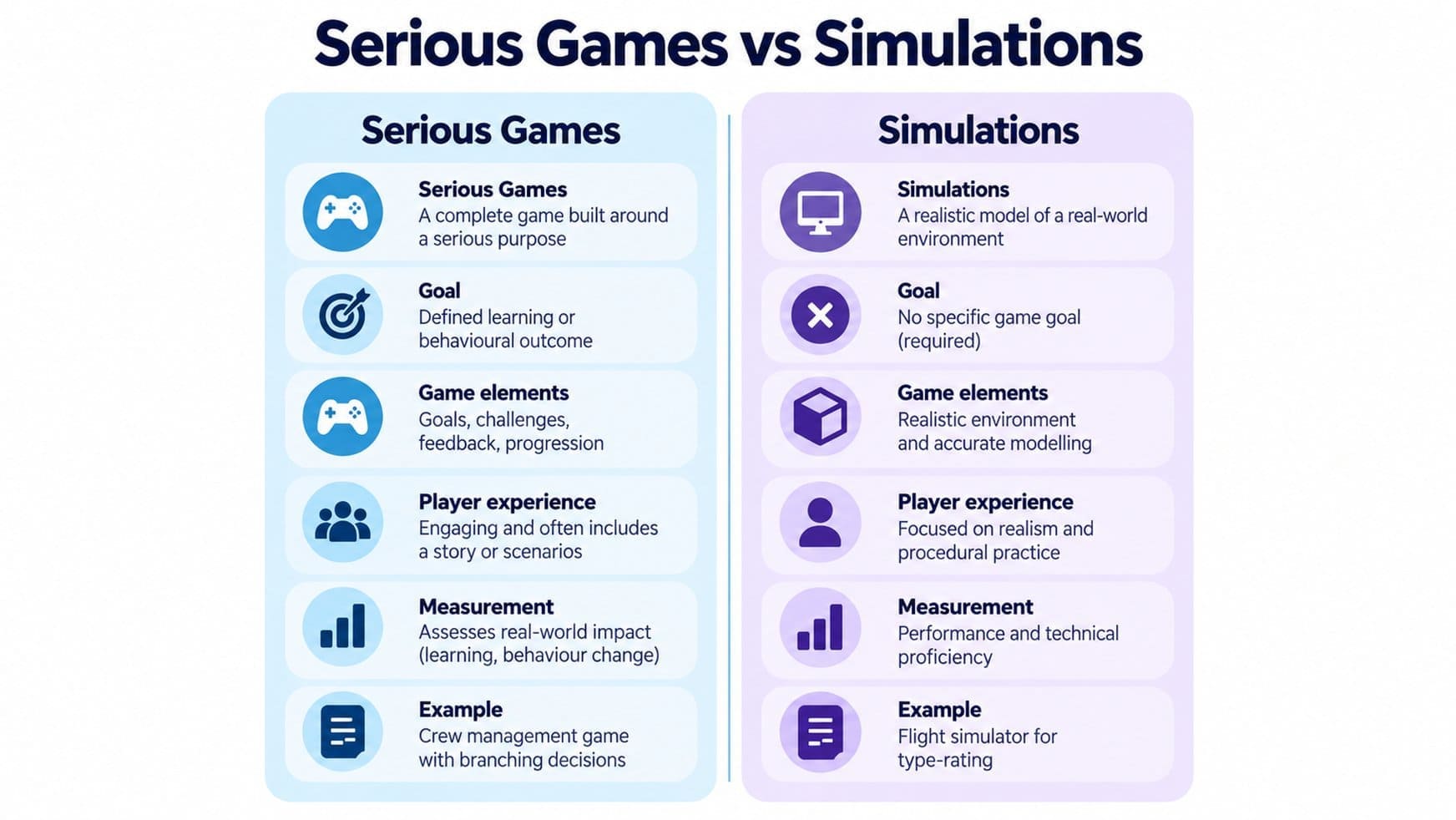
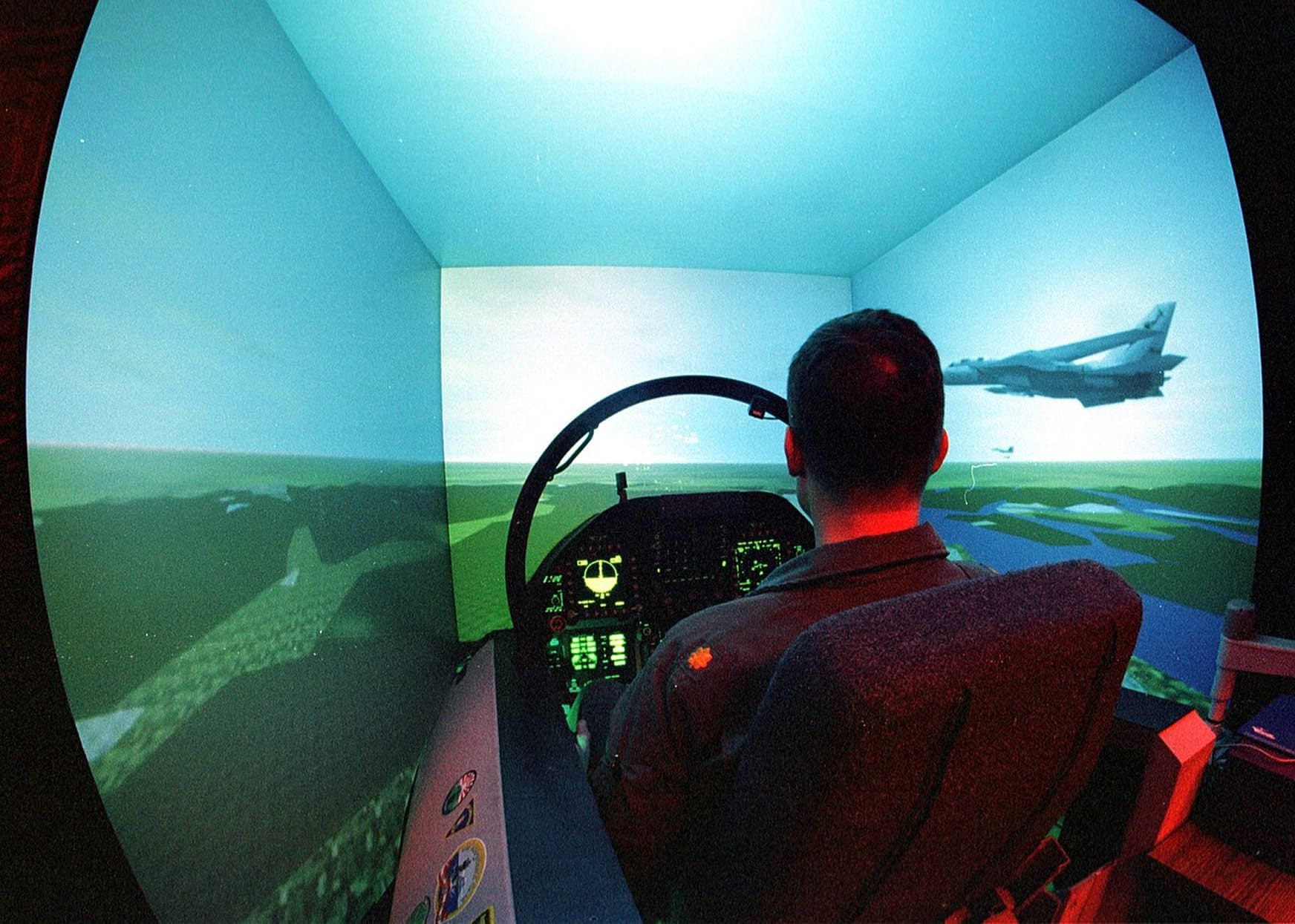
In a flight simulator there is nothing but a simulation very close to real conditions. There are no points, background music, or anything remotely similar to gaming. But in a serious game the same pilots learn how to deal with complex situations, facing the consequences and learning what decisions can be made.
You have to know what you need before you brief serious game developers. Sometimes you might just need a simulator, not a game, but have to know about that. At the same time, if what you really want is engagement and something you can measure, simulation will never work.
Types of serious games
Nobody yet has worked out what types of serious games are officially there, but it is always possible to make a system based on the next variables:
By purpose and audience
Sort them this way when you’re designing a game and need to pick the right mechanics:
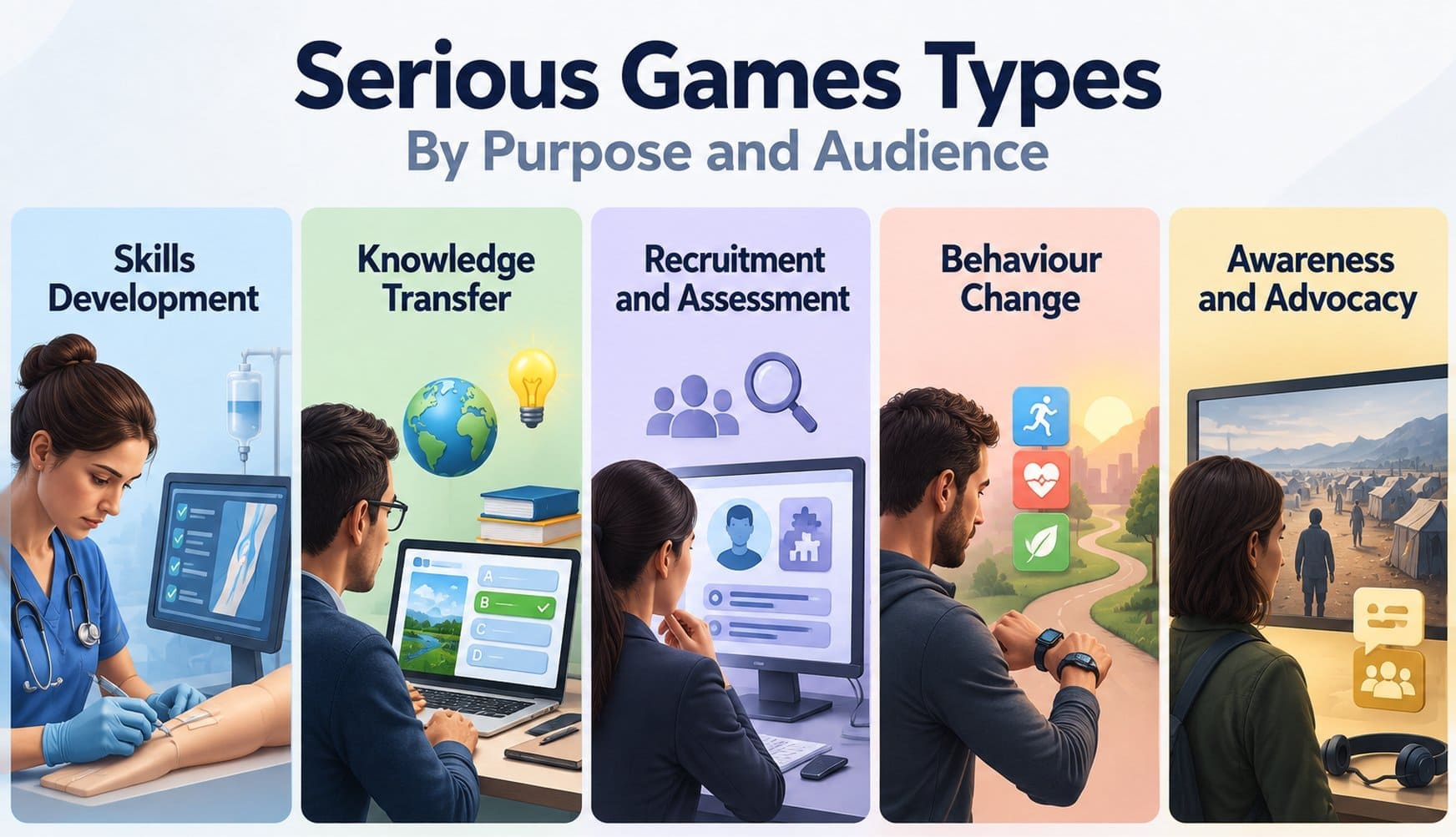
- Skills development. Games that build a skill, any skill for any industry. It can be nurse training, how to perform basic medical procedures, all with immediate feedback to correct the skill immediately.
- Knowledge transfer. These are strictly learning games, where you don’t learn a skill, but get knowledge. It might be about how pipes and water supply works or cybersecurity. Since you are not getting any skills, the quizzes and stories are enough.
- Recruitment and assessment. These games are not about teaching anything, they are created to measure and evaluate skills. You give information about yourself by just playing. America’s Army game was created for military recruitment.
- Behaviour change. If you are looking for behavioral changes, which means learning specific habits or, for example, how to act on roads when you are just getting to drive, these games are what you need. The results do not show up immediately, but they help to build useful skills.
- Awareness and advocacy. Games that put the player inside a situation to build understanding. The goal here is to get you thinking differently or at least to be aware of something after the game is over.
By industry
When you compare your project to similar ones or enter the same industry, you can check this list:
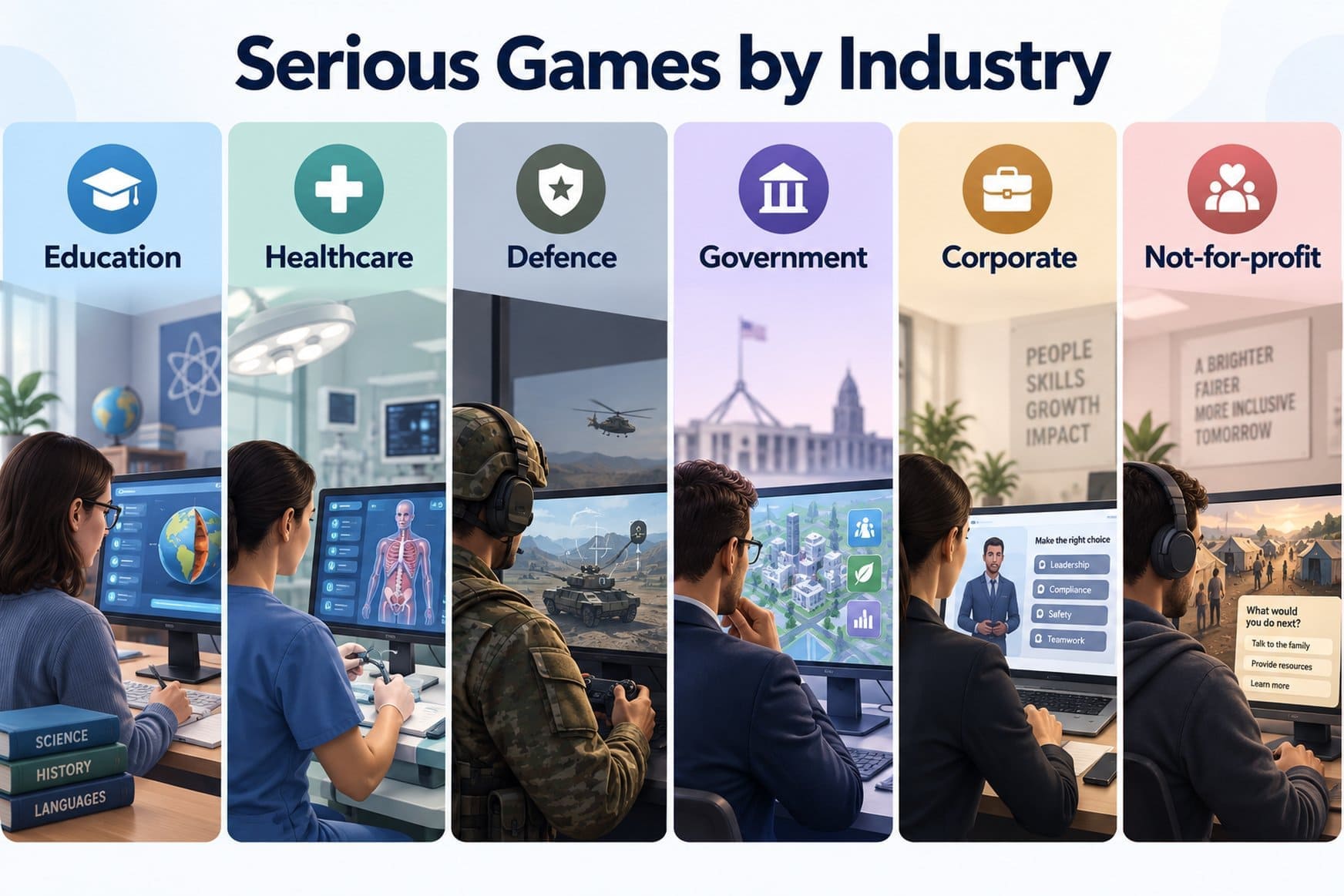
- Education. K–12, tertiary and public science.
- Healthcare. Clinical training, patient education, therapy.
- Defence. Procedural training, doctrine, crew coordination.
- Government. Policy simulation, public awareness, workforce training.
- Corporate. Onboarding, leadership, compliance, safety.
- Not-for-profit. Advocacy, campaign-driven behaviour change.
These types actually answer different questions. If you’re deciding what mechanics to use, go with purpose. If you’re justifying the budget by pointing at what other people have built, go with industry.
You should also know that types of serious games can be outcome-focused or process-focused. The first one is all about the specific skill you have to learn once you finish the game.
Different game categories need different production setups, different specialists and different budgets, so it is important to know what you really need before you start.
Pro Tip:
When you write the brief, describe the outcome you want to change. Do not focus on the game you want to build. Vendors and design teams can propose mechanics, but you are the one defining the target. Because when a brief says “we want a VR game” that is the only goal. However, when you say “we want to cut new-hire time-to-competency from 90 days to 60” you will get a list of options to achieve this.
Benefits of serious games
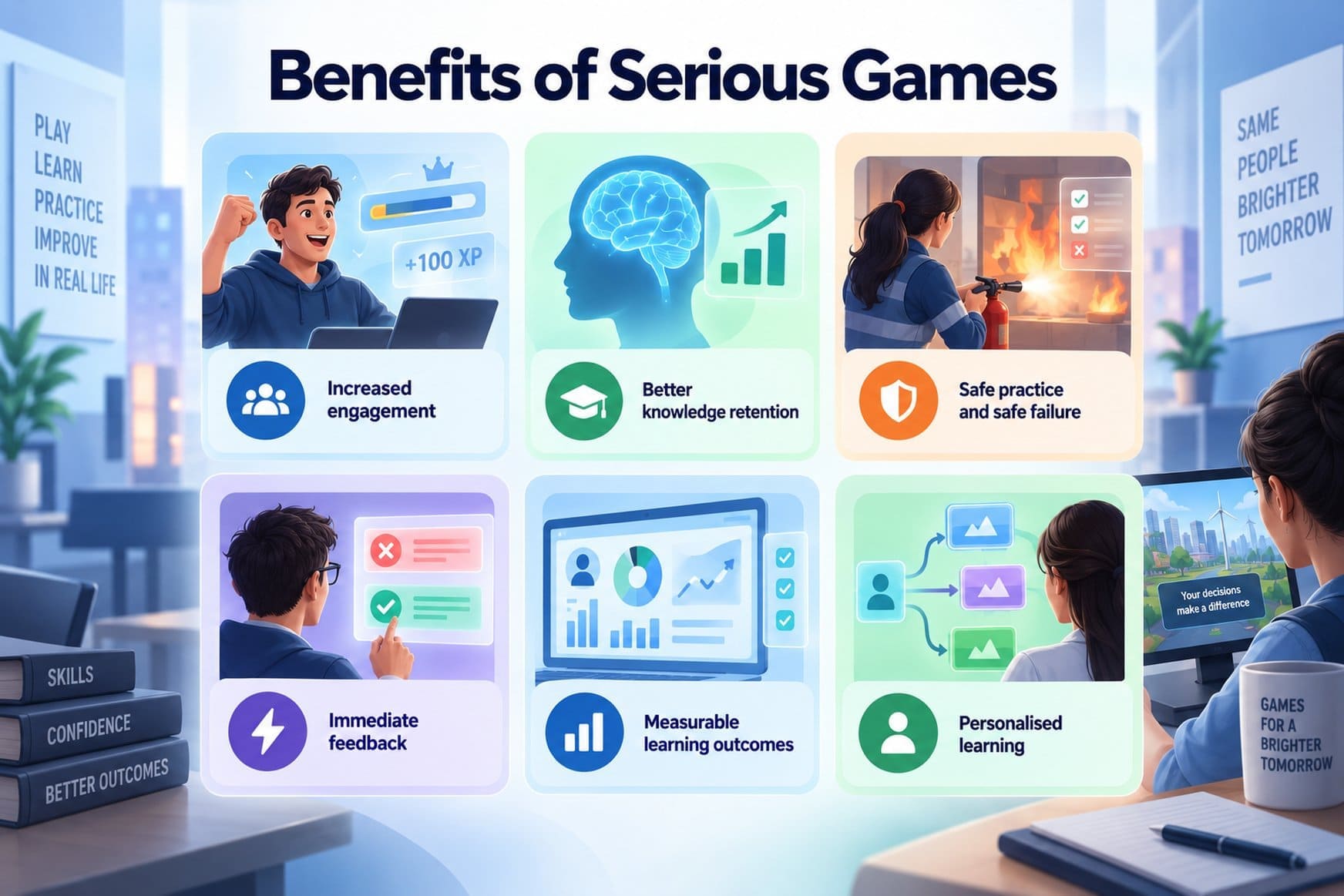
Let’s take a look not at some vague benefits usually connected to serious games, but what evidence says.
The benefits of serious games can be divided around six things. One counterpoint is worth stating up front: a serious game is not always the right answer. Upfront cost is higher than a comparable eLearning module, and it takes much longer to create a game.
1. Increased engagement and motivation
Games by definition are fun and engaging, but combined with real-life things they are also highly motivational. Players are also more excited when they get to learn something that has real-life effect once they finish playing. That’s why serious games combine engagement and motivate for playing more in order to learn the skill.
2. Better knowledge retention
All types of serious games are designed in a way that allows you to keep information better and longer due to its goal-oriented structure. After all, you are playing to acquire a certain skill. Thanks to repetition and feedback people who played serious games show better knowledge retention.
3. Safe practice and safe failure
This is definitely the best advantage that is impossible to replicate in any other type of training. It is okay to make a mistake, as it won’t cost you or anyone else anything. It won’t hurt your company’s reputation and simply can not be dangerous in a following areas:
- Clinical procedures, where a mistake hurts a patient
- Emergency response, where you have to act quick and do not really have time to learn
- Heavy machinery, which is expensive and extremely dangerous
- High-stakes negotiation that might cost reputation or revenue
- Diplomatic or military scenarios, none of which is possible to practice in real life
In the game, you can try different things as many times as you want, and it will be okay to make mistakes and learn. You do not have the same luxury in real-life situations.
4. Immediate feedback
A game can tell a player they made a mistake right away, while usually you can only hope to learn it at the end of the session or even a course. But if you get interrupted and pointed to a mistake you just made, you’ll remember that specific moment and, once corrected, won’t repeat it again. Immediate feedback is one of the most valuable parts of any training, and it is especially useful for roles that include a lot of information to remember or intricate sequence of actions.
5. Measurable learning outcomes
A serious game gives unique information no one really gets in real classrooms. You can have a detailed review of how you did with the number of mistakes, attempts, how fast you responded, not to mention the level of your progress. It is important and also engaging, because you are getting great feedback on your learning process as a whole.
6. Personalised learning
The player is not going through one system all the time, but the system adapts to how the player is doing. This isn’t new, because adaptive testing has been around for decades, but in that way a game won’t be like some test you have to pass, and it will be genuinely enjoyable. The difficulty is not pre-determined, and that’s the best for gradual learning.
Did You Know?
The evidence is strongest for teaching people how to do something under realistic conditions. Serious games here are more effective than traditional teaching in the research. Awareness and behaviour change have thinner evidence and much less consistent results.
Where serious games are used
Serious games get used in more places than most people realise. Each has different buyers, budgets and definitions of success, so it’s worth reading only the ones that apply to you.
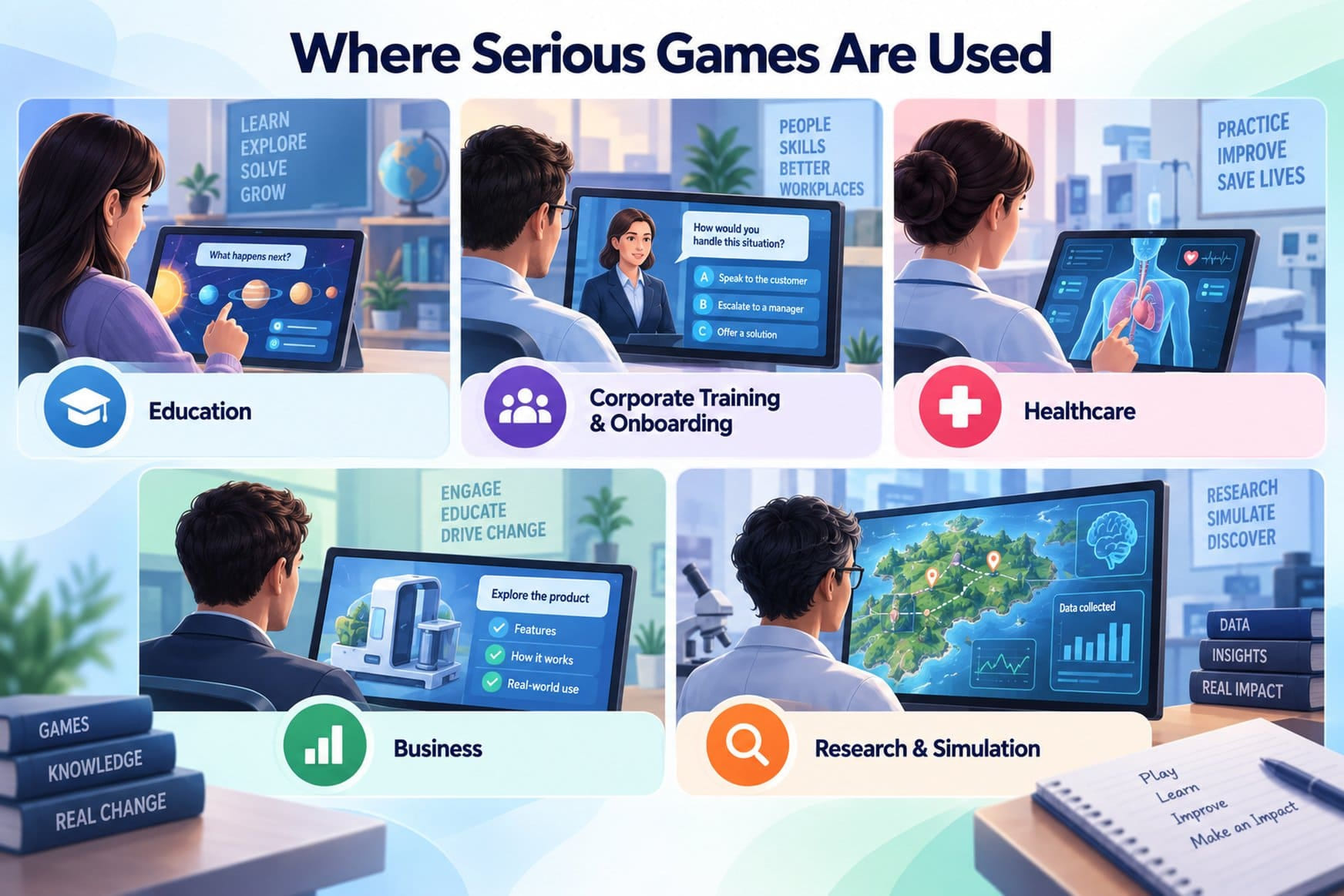
Serious games in education
Serious games in education can teach anything that might be required according to the curriculum, and it can be facts or skills. Three settings are worth pulling apart, because they have different buyers, different rules and different budgets:
- K–12. School games have to be a part of the curriculum, run on the devices schools actually own, and be teachable by teachers who are not really tech-savvy or were hired to teach using games at all. The K–12 games that work are modular, mapped to the curriculum, and playable on a mid-range tablet.
- Tertiary. University games have more time on their side, but here the faculty have to choose the best options according to the subjects, and how they see the direction university takes in general.
- Public science engagement. Museums, science centres, research bodies and public broadcasters commission games to explain science. This is where Fgfactory Australia has done a lot of work, building games for CSIRO’s public engagement programmes.
Serious games in education work best when it is a part of an existing program, and when it is highly specific. In other words, if you want a game that will improve financial literacy, it probably won’t really work, because such a goal can only be a part of an initial impulse, otherwise it is too vague. A game aimed at “helping Year 8 students tell physical changes from chemical changes” can be built and tested.
Corporate training and employee onboarding
Serious games for training cover a lot of areas and they are useful for communication, sales, negotiation, customer service, compliance, safety and many other areas. The common feature is that the training goal is dealing with people, maybe evaluating their skills etc. So it is not about knowledge or knowing some information. Because otherwise, a simple document and a quiz is more efficient. However, if what you have to teach is “handle the situation the policy describes”, a game is more important.
Simulation and safe failure are especially useful at work. An employee might simply fail at dealing with a difficult customer, not to mention breaking a safety rule doing something for the first time. However, it does not have any consequences in the game, even if you lose important negotiations countless times.
Serious games for employee training are a good option for onboarding. A good onboarding game gives new employees a way to look at how the systems in the company work. The point of serious games for employee training is not entertainment, but an easier way to get into the company and quickly feel familiar with everything.
Serious games for training aren’t right for every training need. If the content itself changes often or is just short, you don’t need a game here. But if the training is high-stake, and moreover, if it gets repeated across groups, you really do need a game here.
Healthcare and clinical training
This is another huge area where serious games are immensely helpful. Since the real environment can be too hard and too stressful to practice, serious games allow you to learn a skill without causing damage. There are four groups:
Medical simulation and procedural training. These games allow clinicians and students to practise procedures safely, without any real-life consequences. Touch Surgery, now part of Medtronic, is a well-known example.

Physical and cognitive rehabilitation. Games used with stroke, brain injury and Parkinson’s patients to get them repeating specific movements or attention exercises. Games built for the Nintendo Wii were an early consumer version. Purpose-built platforms are now standard in a lot of rehab centres.
Patient education. Games that explain a diagnosis, procedure or treatment plan in a form that sticks better than a leaflet. Kids’ healthcare has led the way, and HopeLab’s Re-Mission helped children with cancer understand their treatment and improved how well they stuck to it in a controlled study.
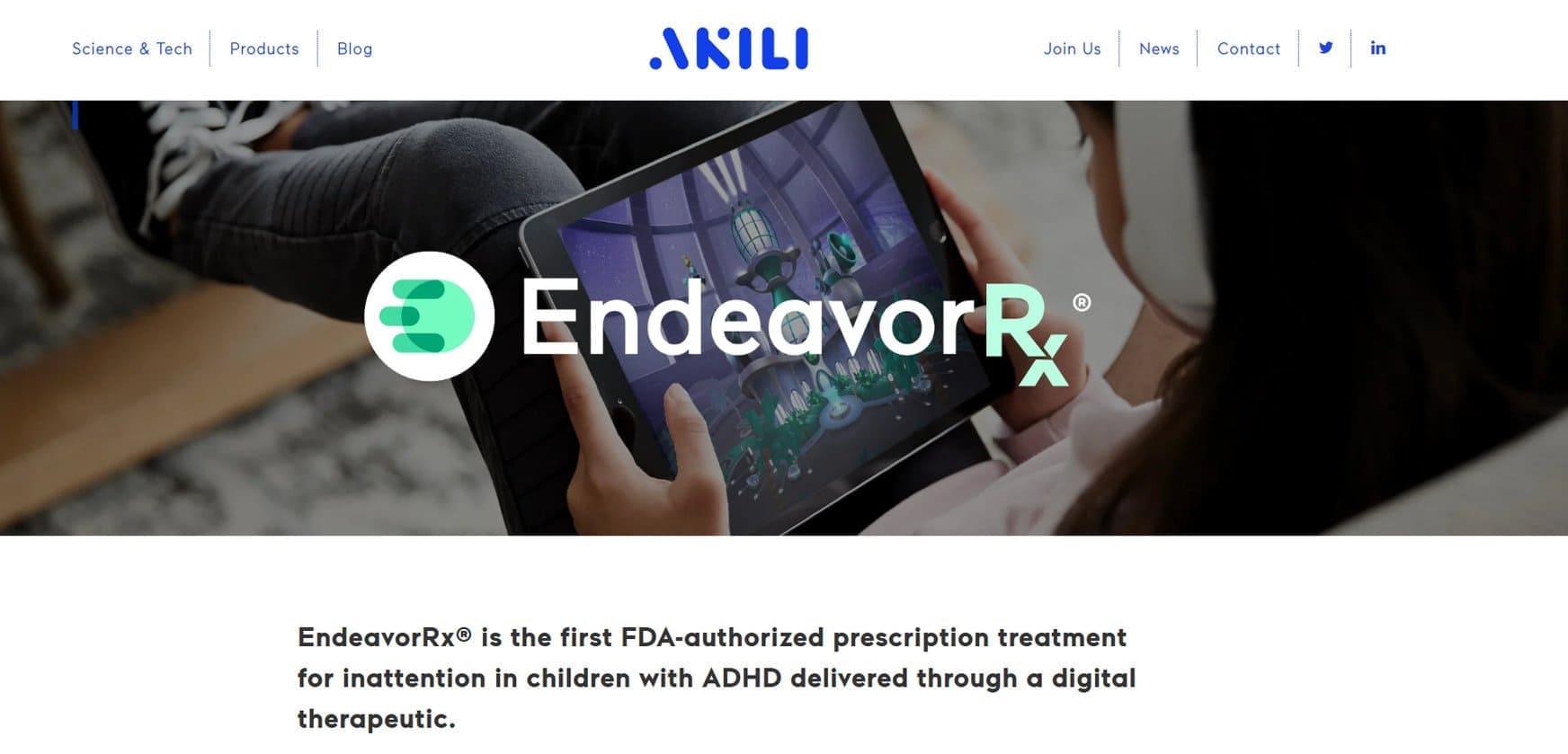
Therapeutic games. Games built to have a therapeutic effect directly. EndeavorRx, from Akili Interactive, got FDA clearance in June 2020 as the first prescription video game for ADHD in children aged 8–12. It was backed by five clinical studies, including a randomised controlled trial of 348 children. It now covers ages 8–17.
Serious games for business
Serious games for business cover the applications that don’t fit under internal training. Three main things are there:
Customer education. Games that teach customers how to use a complicated product or service which may include financial planning tools, medical devices, enterprise software. The goal is fewer support calls and better product use.
Partner and reseller training. Games that get channel partners up to speed on new products, without pushing them through certification courses they tend to skip.
Organisation-wide behaviour change. Games run across a workforce to change a specific behaviour like more inclusive language, more consistent safety reporting. The goal is to change what people do out of habit.
Serious games for business are very similar to corporate training, but the difference shows in what exactly a company is trying to change or introduce. Corporate training is a practice of learning a new skill, and its audience are only internal employees. Business-scoped games can be made for internal or external audiences, and it provides less narrow outcomes.
Serious games for research and simulation
Games can generate behavioural data and consistency that is very hard to match by traditional research methods:
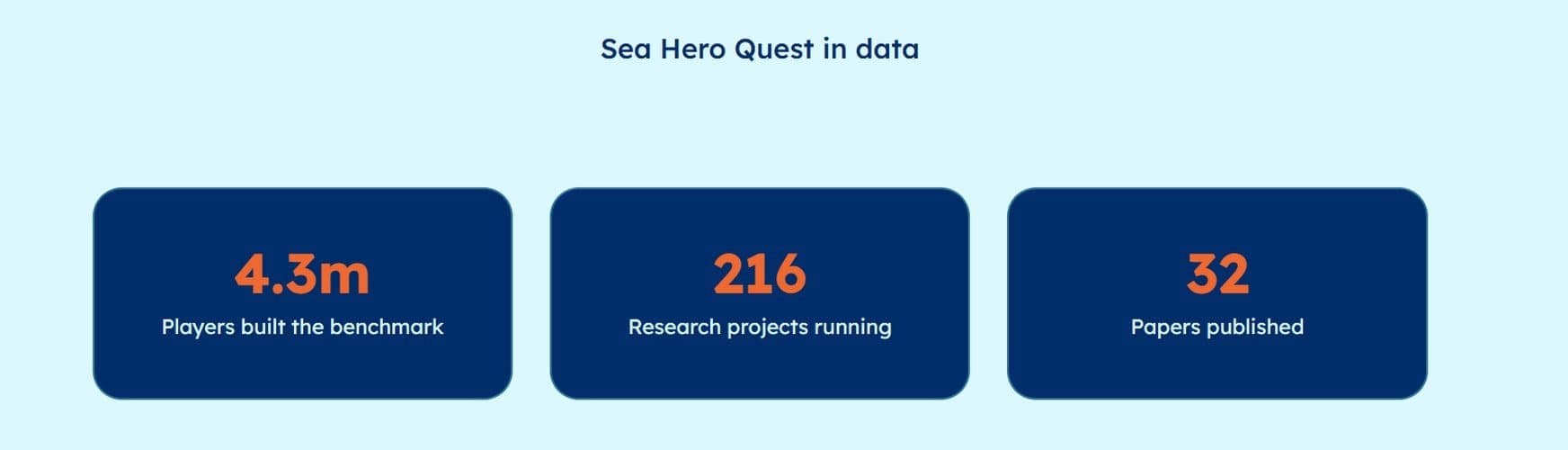
Games as a research tool. The way the player behaves inside the game is the data. Sea Hero Quest, run by Deutsche Telekom with Alzheimer’s Research UK and University College London, collected navigation data from over four million players. That’s the largest dataset ever put together on how people find their way around, and it’s now very important info for spotting early dementia.
Games as a scenario-testing environment. These examples of serious games are used by researchers, policy people or planners to see how people behave under different conditions from, let’s say, unusual even categories which may include pandemic response, evacuation planning, financial stress. Player reactions become the data used to test the scenario itself.
Finally, citizen science. Foldit, built at the University of Washington from 2008, offers people with no science background to solve protein-folding puzzles. Foldit players have contributed to real research, most famously, they solved the structure of an AIDS-related protease in ten days, after computer methods had failed at it for over a decade.
Examples of serious games
The first three examples that we’ll show you here are Fgfactory projects, you can check every detail in our case studies. We grouped all the games here by sector, so you could see where exactly and how it all worked.
Scientific and STEM programs
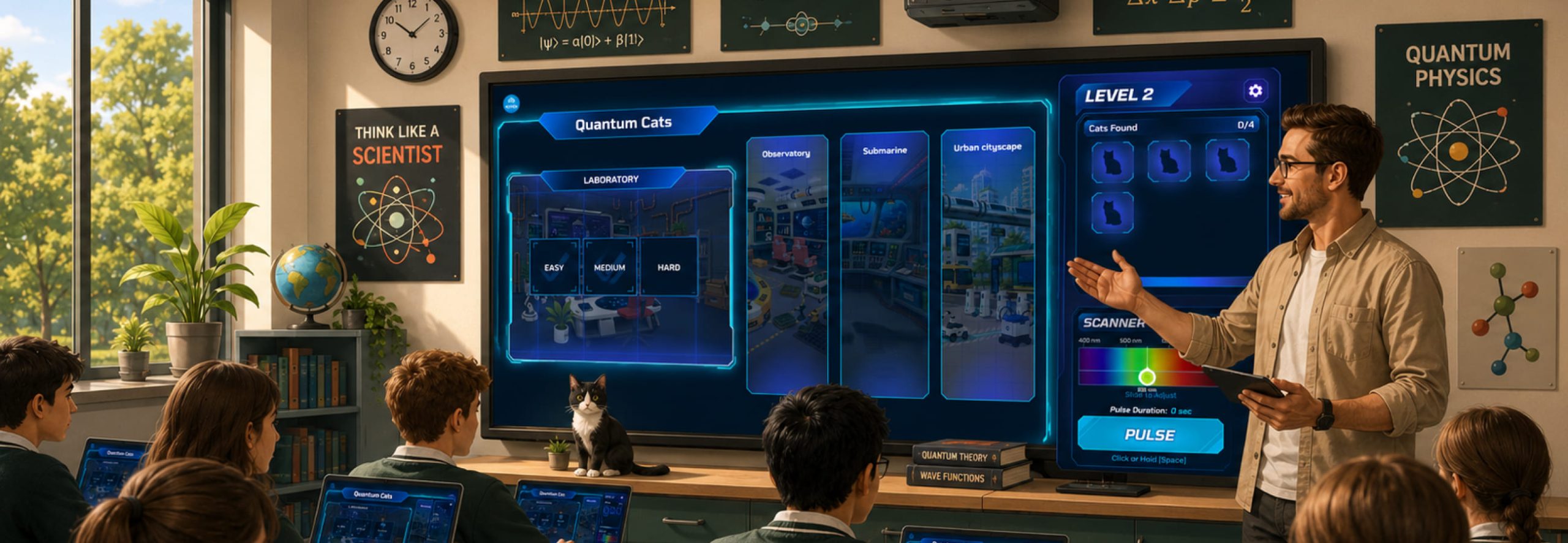
Quantum Cats The Game was developed by Fgfactory for CSIRO in 2026. Public science / K–12.
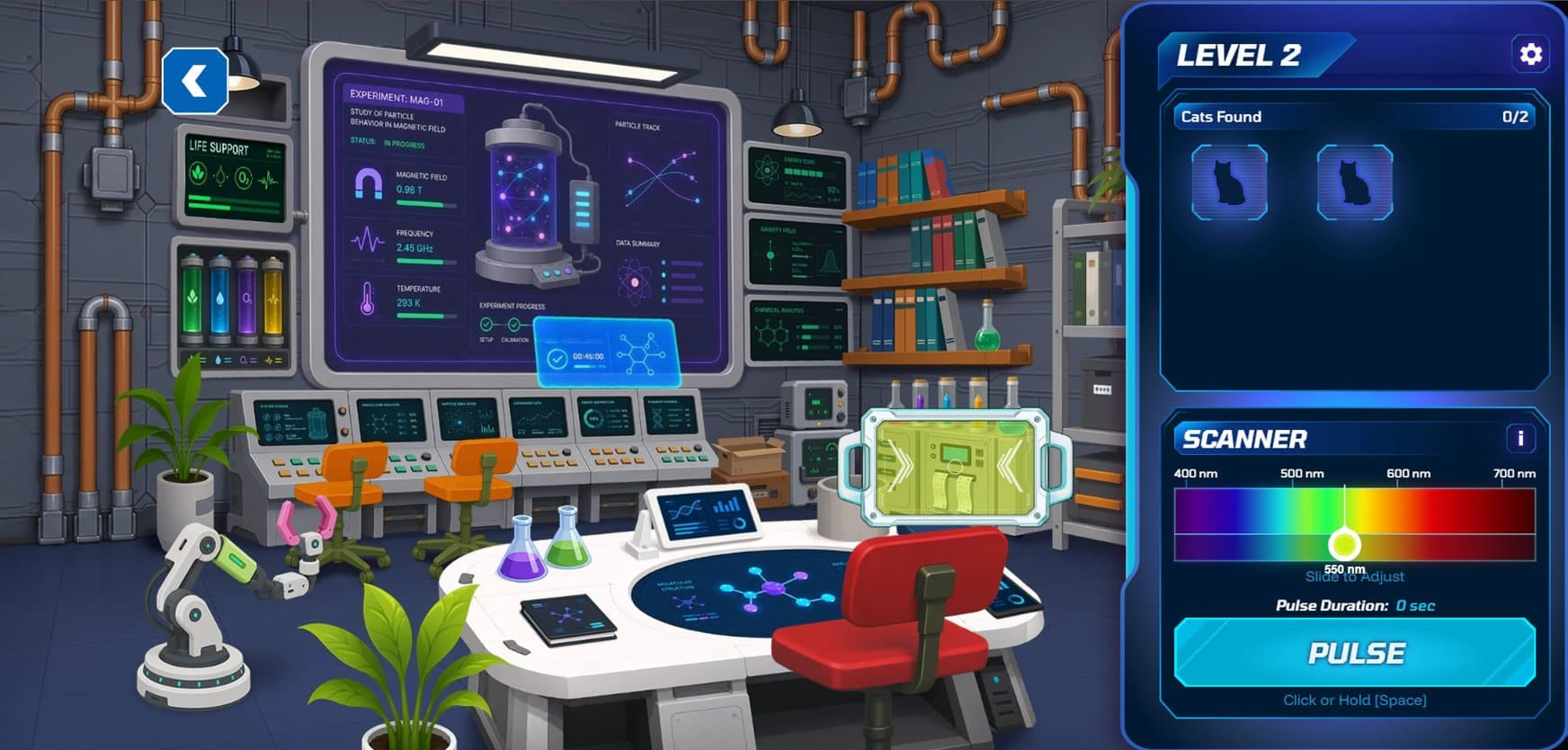
The problem: to help the general audience, and especially school kids, to learn quantum physics easily without complicating it by explaining the quantum phenomena.
The result: an HTML5 browser-based game that mirrors one of the most famous concepts of quantum principles, involving a cat. It has been delivered through CSIRO’s channels and used in their science engagement work.
Robot Responders was developed by Fgfactory for CSIRO in 2026. STEM program, released on Australia’s National Science Week.
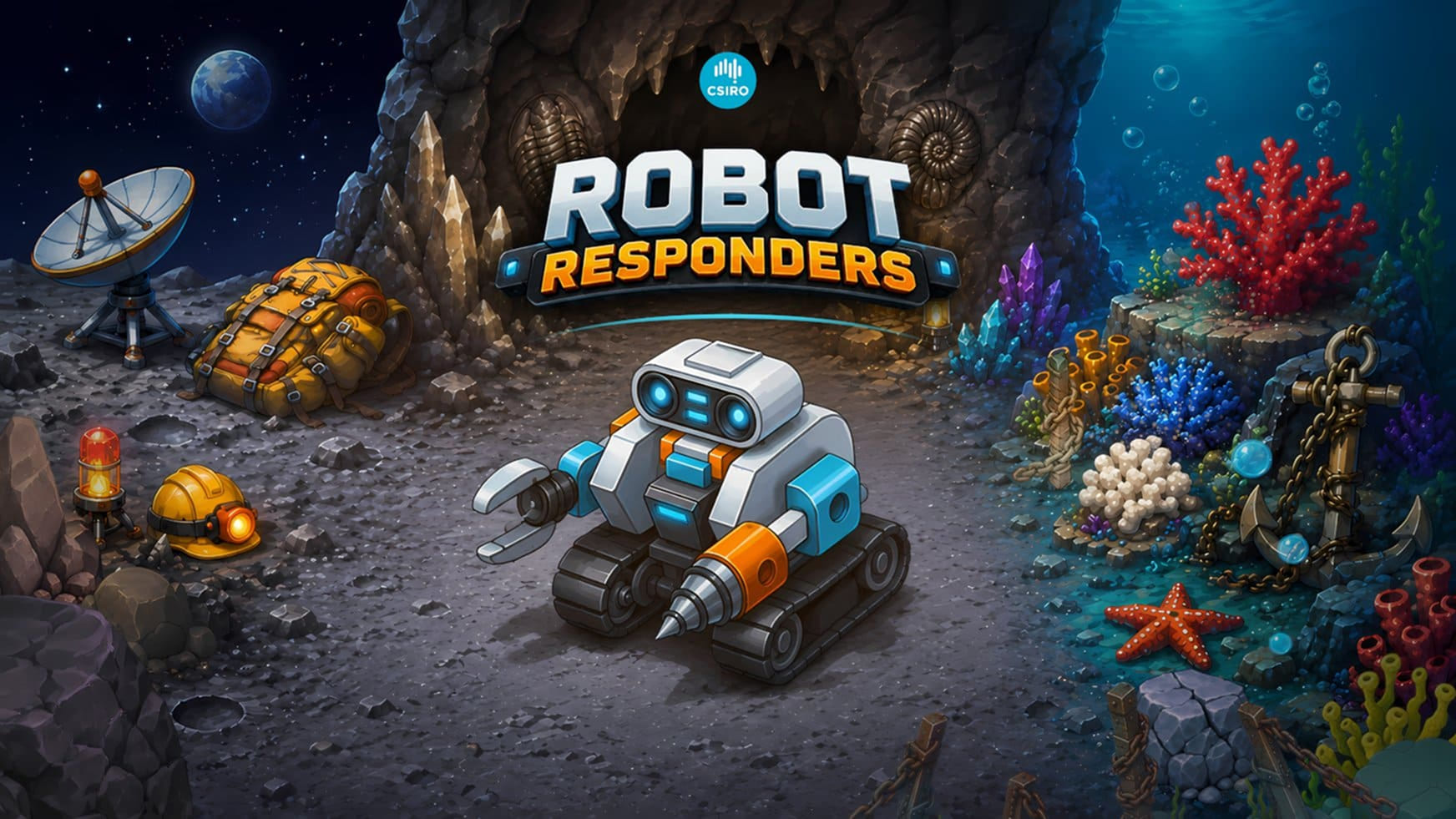
The problem: to show students how to use autonomous robots in case of emergency, without having to download any specific software.
The result: an HTML5 browser-based game that shows how robots can respond in disaster, released as part of CSIRO’s national science week programme.
The Plain Game was devepoed by Fgfactory for In-Game Learning in 2026. Plain Language Training.
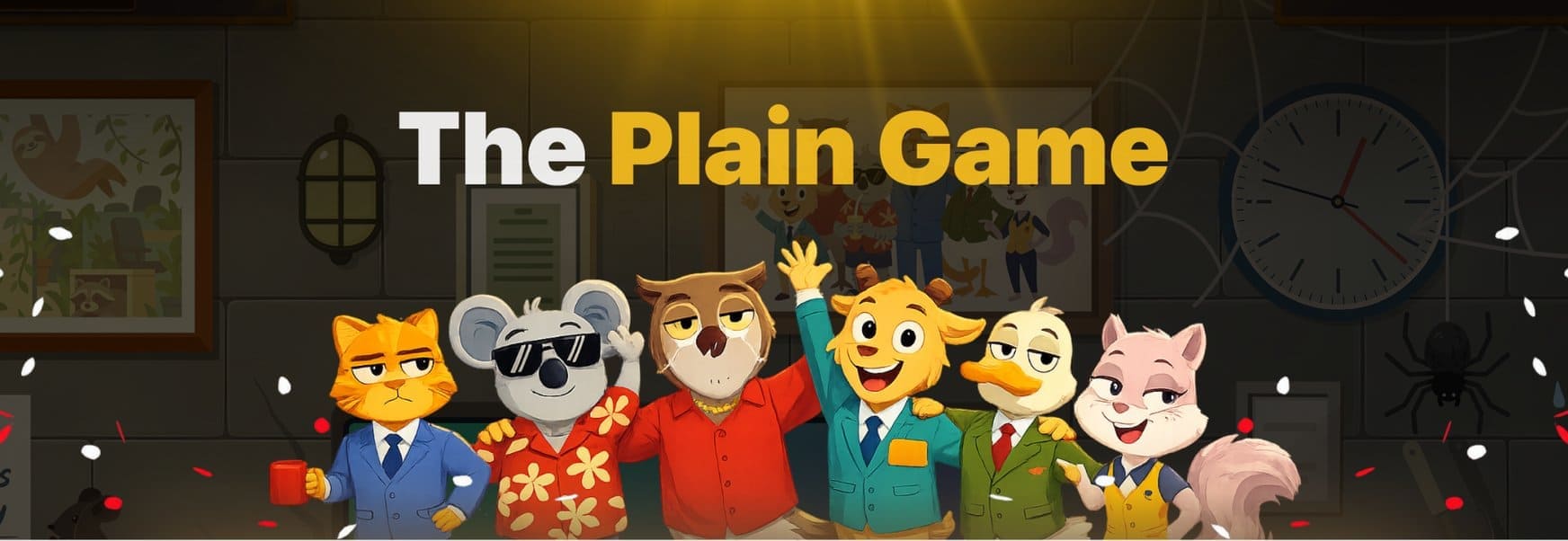
The problem: plain language writing through gamification e-learning platform.
The result: a live game platform that is easy to use for everyone, that Fgfactory has developed in 2026 and keeps updating for the client.
Health and rehabilitation
Re-Mission was developed by HopeLab in 2006. Paediatric oncology.

The problem: young cancer patients often stop taking their chemo the way they should.
The result: in a randomised trial published in Pediatrics in 2008, kids who played Re-Mission where following their chemo better and knew more about their cancer than a control group.
EndeavorRx by Akili Interactive. FDA clearance in 2020, later expanded. Paediatric ADHD.
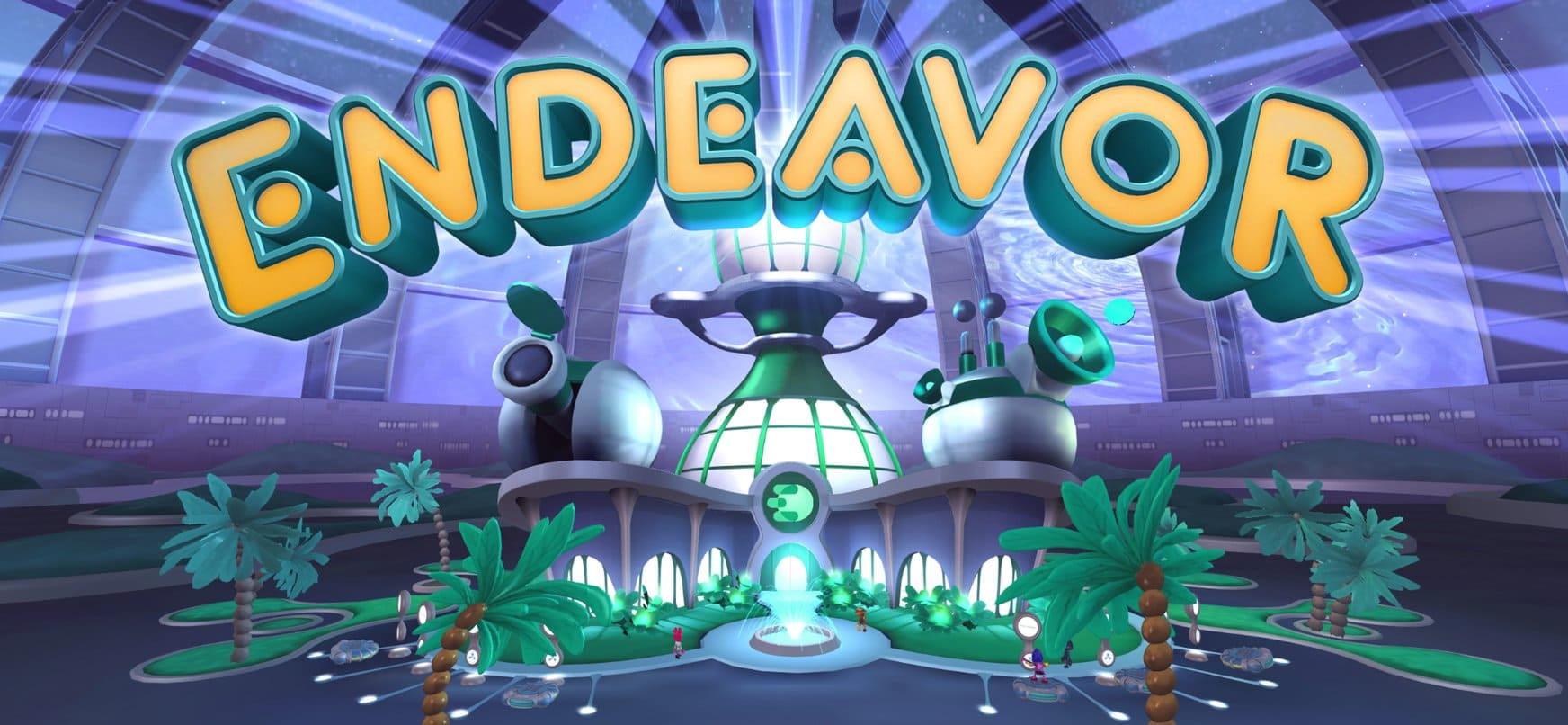
The problem: improve attention in children with inattentive or combined-type ADHD, first for ages 8–12, later 8–17.
The result: FDA clearance as the first prescription video game with a regulated medical device, prescribed by clinicians, backed by five clinical studies including a randomised trial. Currently prescribed as part of ADHD care in the US.
SPARX was developed at the University of Auckland in 2012. Adolescent mental health.
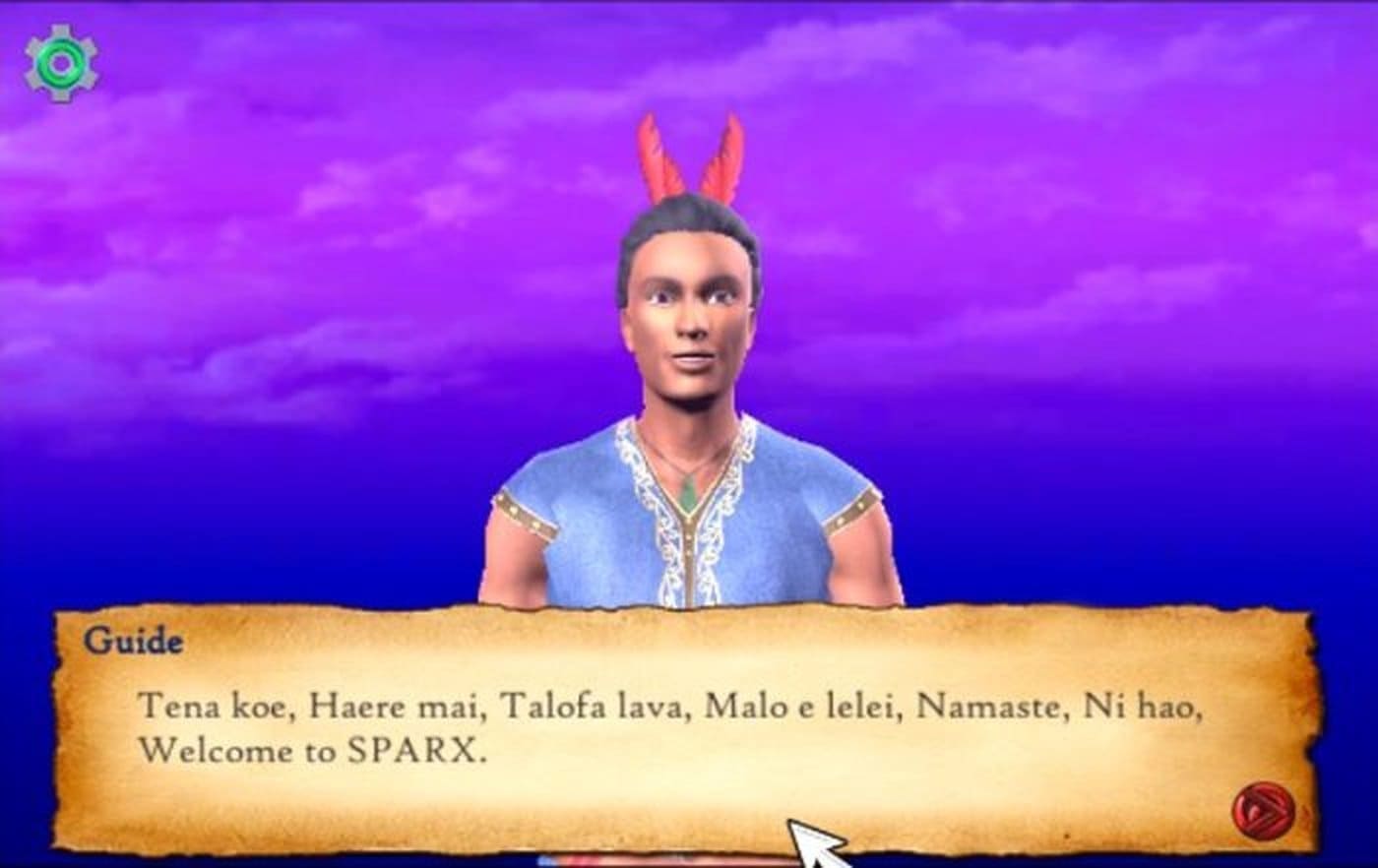
Problem: to provide cognitive behavioural therapy for mild-to-moderate depression in young people who would not otherwise get to access help.
Outcome: trials proved it to be an efficient instrument to deal with depression, and it later got offered publicly through New Zealand’s national mental-health services.
Defence and public sector
America’s Army Proving Grounds is developed by the US Army. First released 2002, updated through multiple editions. Recruitment and public engagement.
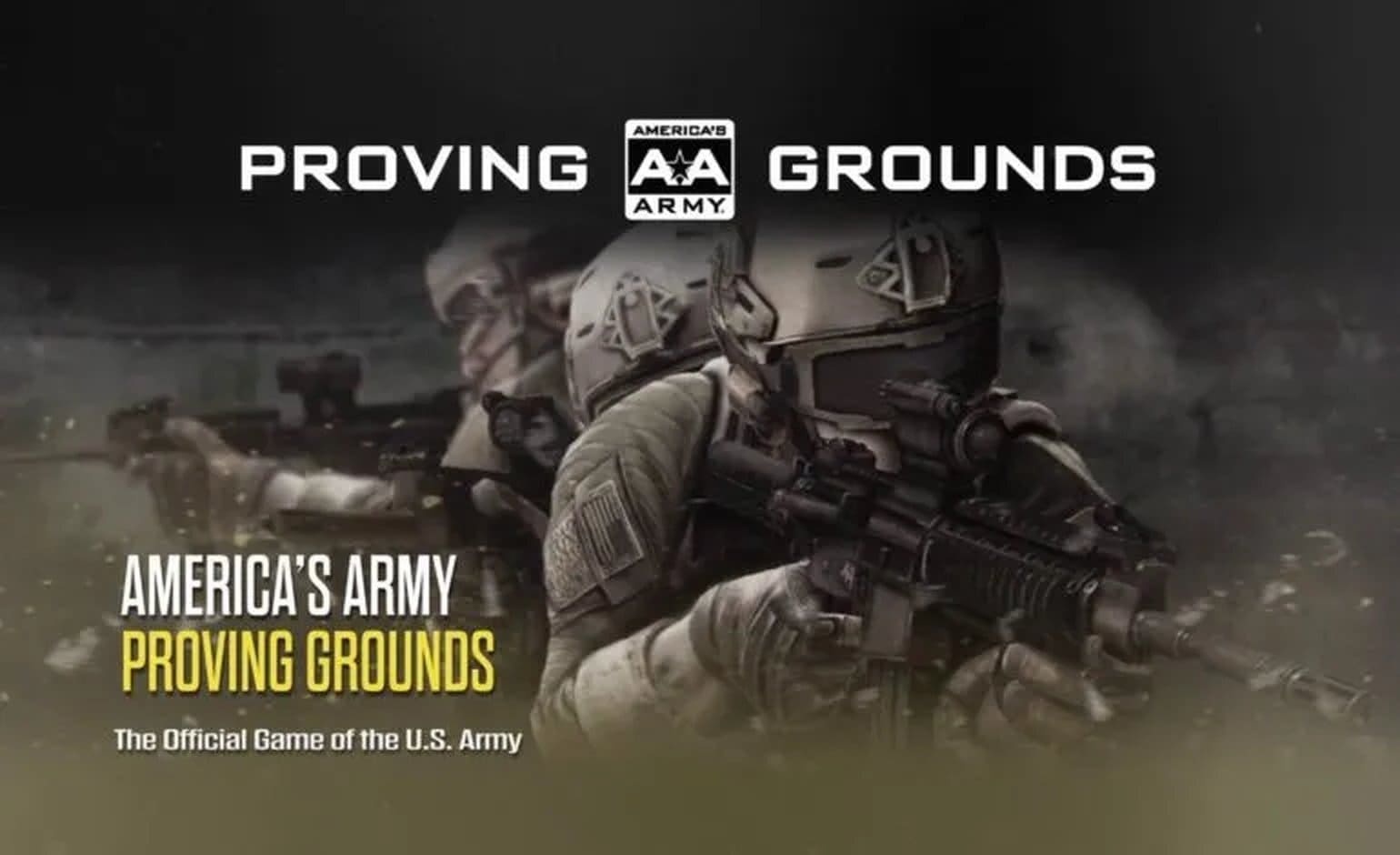
Problem: show potential recruits realistic Army roles and values, without going for traditional advertising which might not be as precise.
Outcome: as the reports showed, this is the most cost-effective recruitment tool in the Army’s history at time of launch, and it was even cited numerous times in different serious games researches.
Papers, Please was developed by Lucas Pope in 2013. Awareness and empathy.
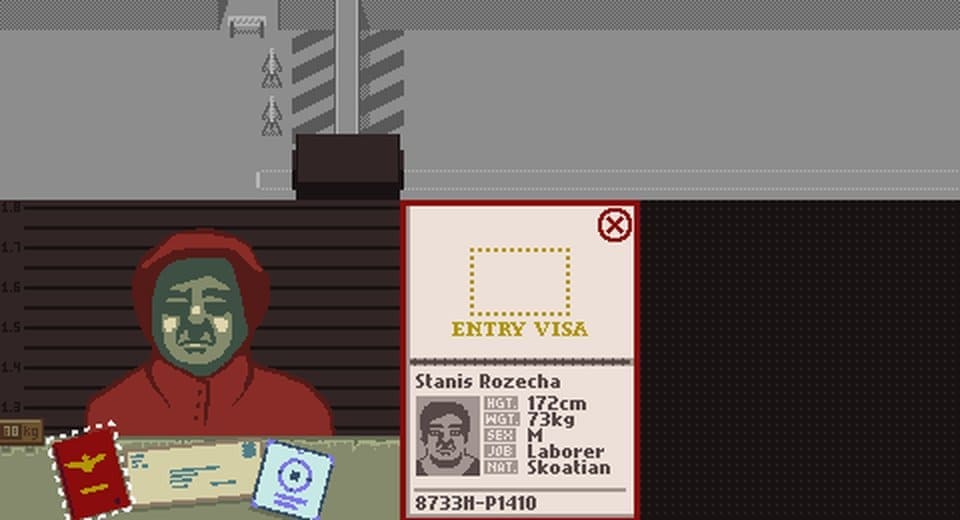
Problem: show how border-control works in an authoritarian state, and explain the moral weight it has.
Outcome: commercial success and genuinely interesting game.
Corporate and workplace
PWC’s Multipoly is developed by PWC Hungary. Recruitment and assessment.
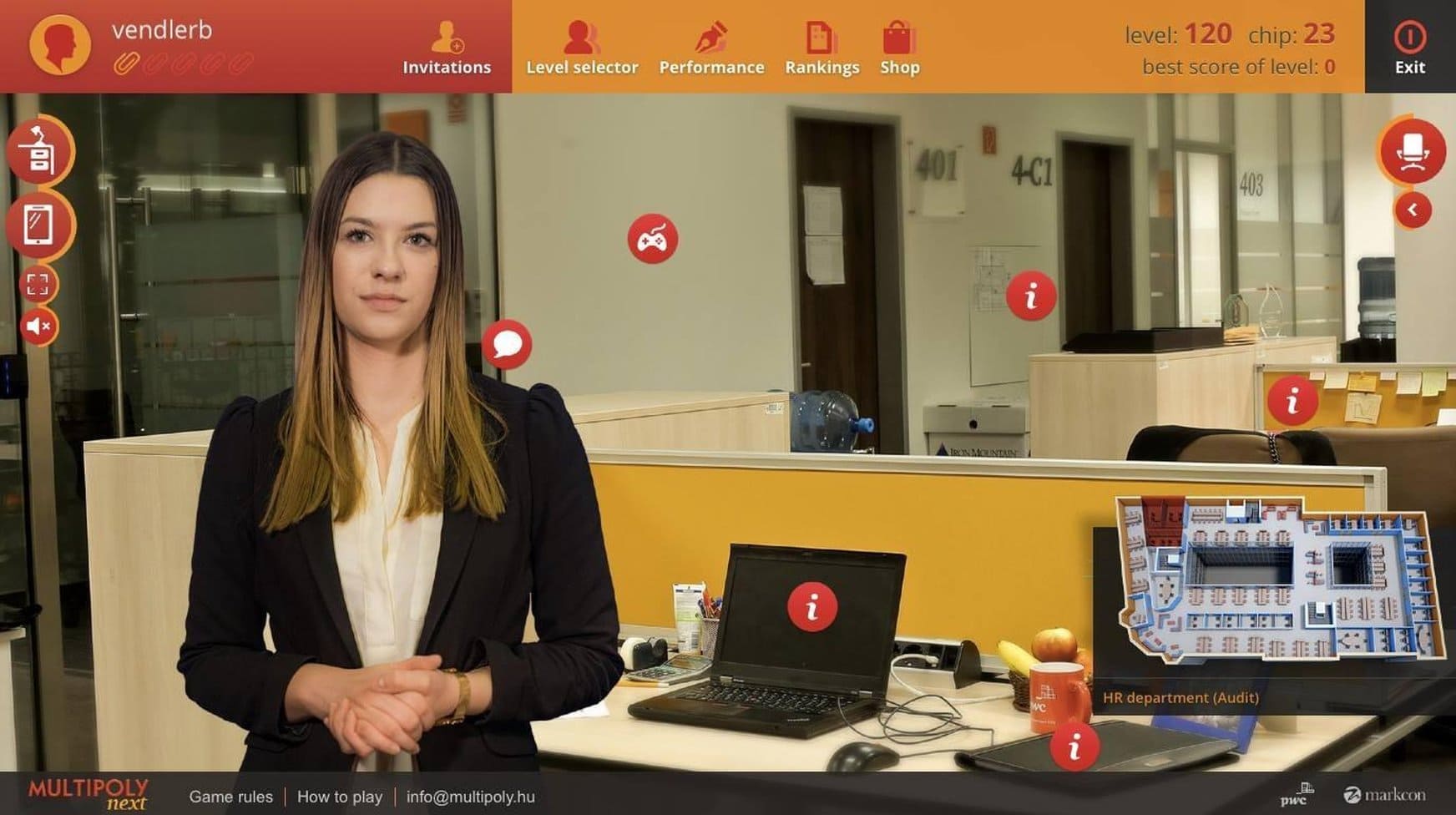
Problem: replace standard graduate interviews with a business-simulation game.
Outcome: cost-per-hire went down, while the candidates got better scores during interviews.
Research and citizen science
Foldit is developed at the University of Washington. 2008. Molecular biology research.
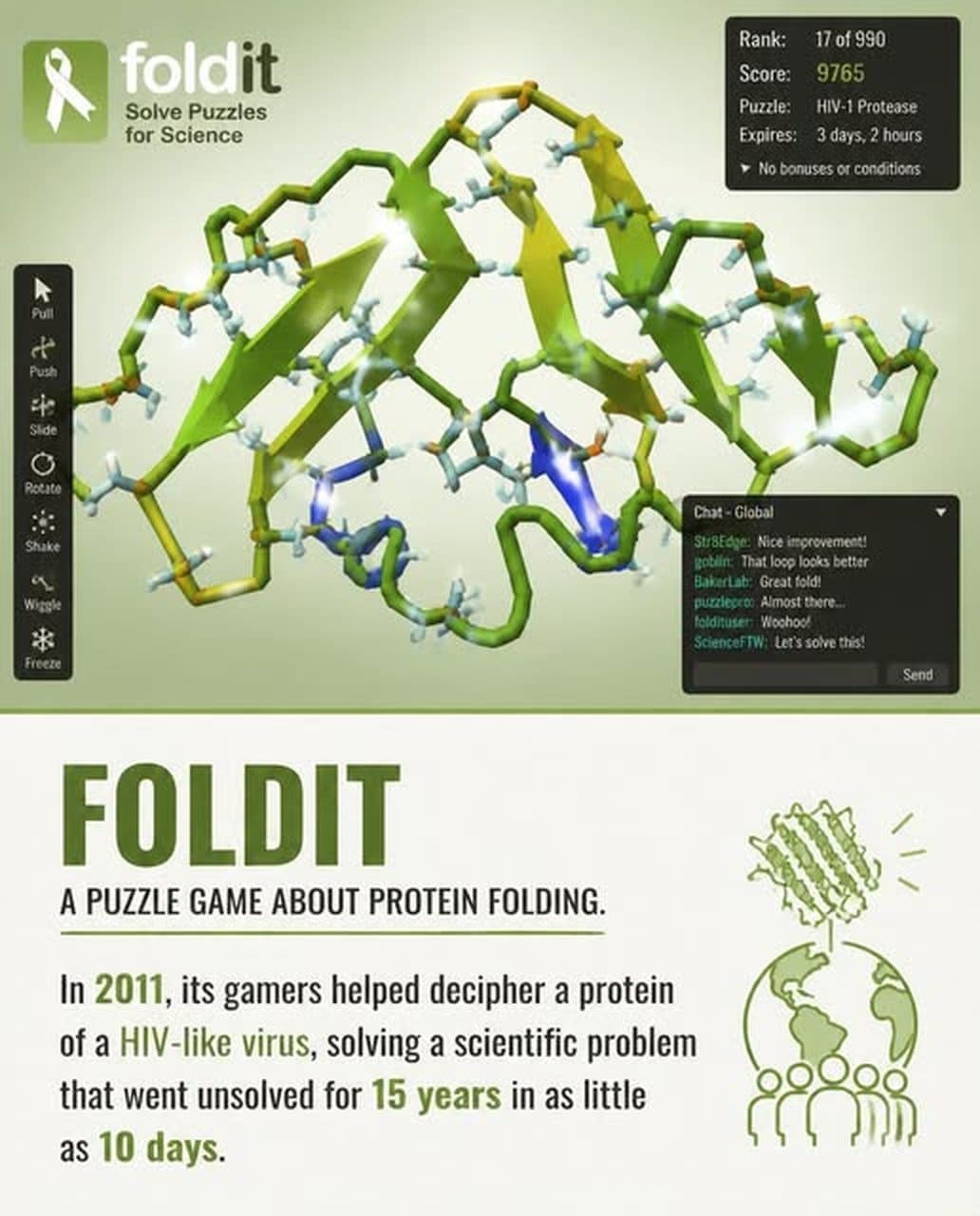
Problem: get large numbers of people to solve protein-folding puzzles.
Outcome: players cracked the structure of an AIDS-related protease in ten days, after algorithms had failed at it for 15 years. Published in Nature Structural & Molecular Biology (2011).
Sea Hero Quest is developed by Glitchers for Deutsche Telekom in partnership with Alzheimer’s Research UK and University College London. 2016. Dementia research.

Problem: gather enough data on how healthy people find their way around in order to spot early signs of dementia.
Outcome: over four million players gave enough information for scientists to use.
The full serious games examples catalogue runs into the hundreds, and the point of a shortlist like this is not to be complete; we just wanted to show the range and effectiveness of these games.
Examples of serious games that we would say are worth studying usually have three things in common: a defined outcome, evidence that the outcome was achieved, and a design that makes the game the delivery mechanism. When you scope your own project, look for serious games examples in your sector that meet all three of these.
How serious games development works
Too often articles on this topic just skip the development process or reduce it to a diagram, answering only a question of “what are serious games“. We have decided to answer that question properly. If you’re reading to work out what commissioning a serious game actually looks like day to day, start here.
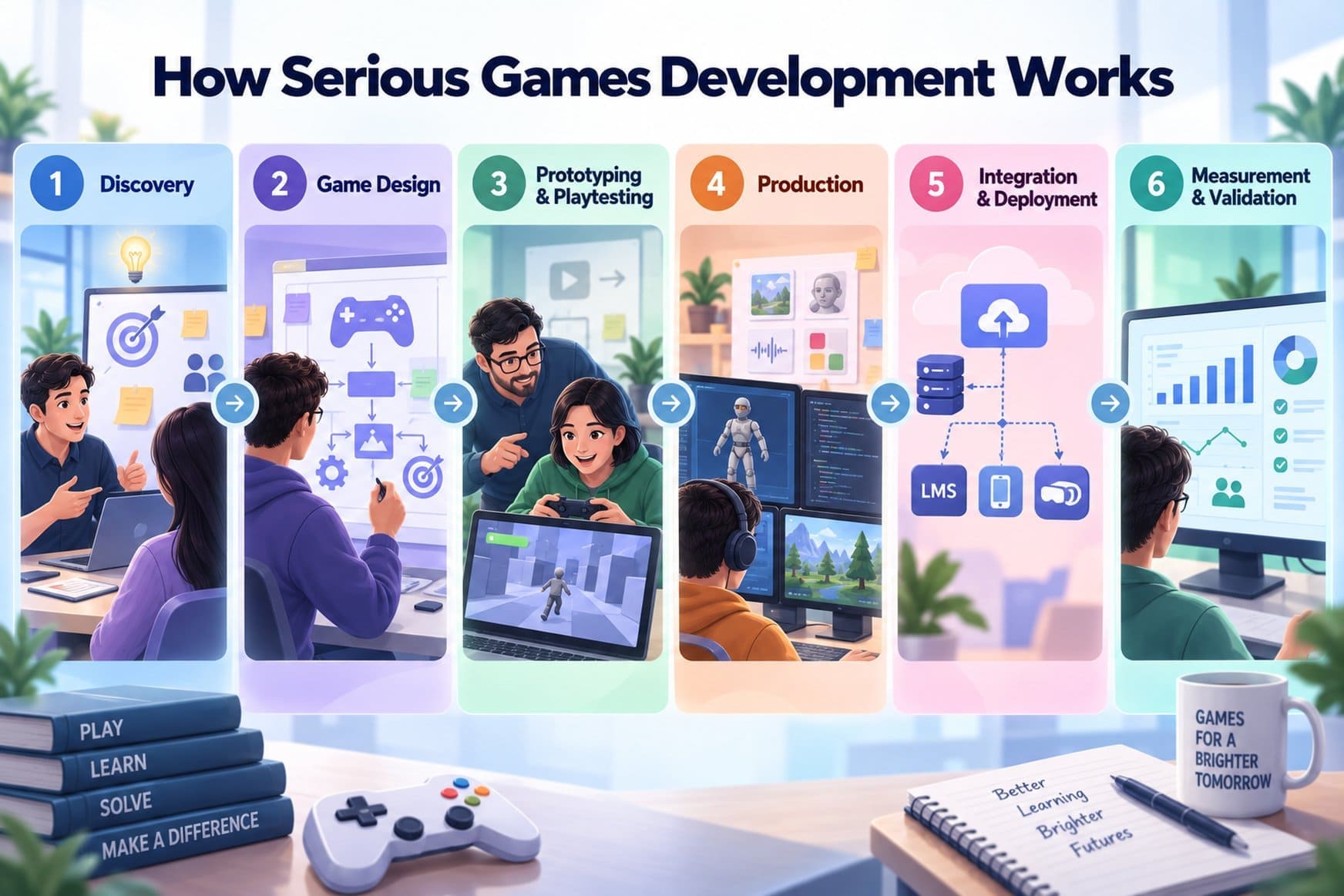
Serious game development works well with only two disciplines pulling in the same direction: game development and instructional or behavioural design on the other. A great game can still fail if the gameplay doesn’t teach the thing it’s meant to teach. A well-designed learning experience can still fail if players don’t want to play it. But if you make both of them work, the game will be efficient.
Discovery and defining the learning outcome
The biggest cause of serious game failure is a not well formulated objective. “We want to raise awareness”, for example, is too vague. “We want 70% of participants to correctly identify three specific fire-safety hazards after a 20-minute session” is a well-defined and measurable goal.
Audience definition should be inside discovery, and it matters more than you might think for serious games development. You have to know who’s playing before you pick the mechanics or the tech, because the audience decides everything from gameplay complexity and art style to interaction model, difficulty curve and even what platform you build for. A game for Year 5 students and a game for graduate engineers can not be the same, right? Serious game developers who do not think of this step as an important one, very often build games that no group actually can play and achieve any results.
Game design and mechanics mapping
Serious game design takes learning objectives and creates out of it a core gameplay loop. It is essentially the repeating cycle of decisions and feedback that pulls the player through the game. It’s the most valuable and least documented part of the process, so a worked example is more useful than a paragraph of theory.
A specific goal: warehouse staff should spot unsafe loads before they try to move them. The learning is procedural. You have to see the hazard cues, then act.
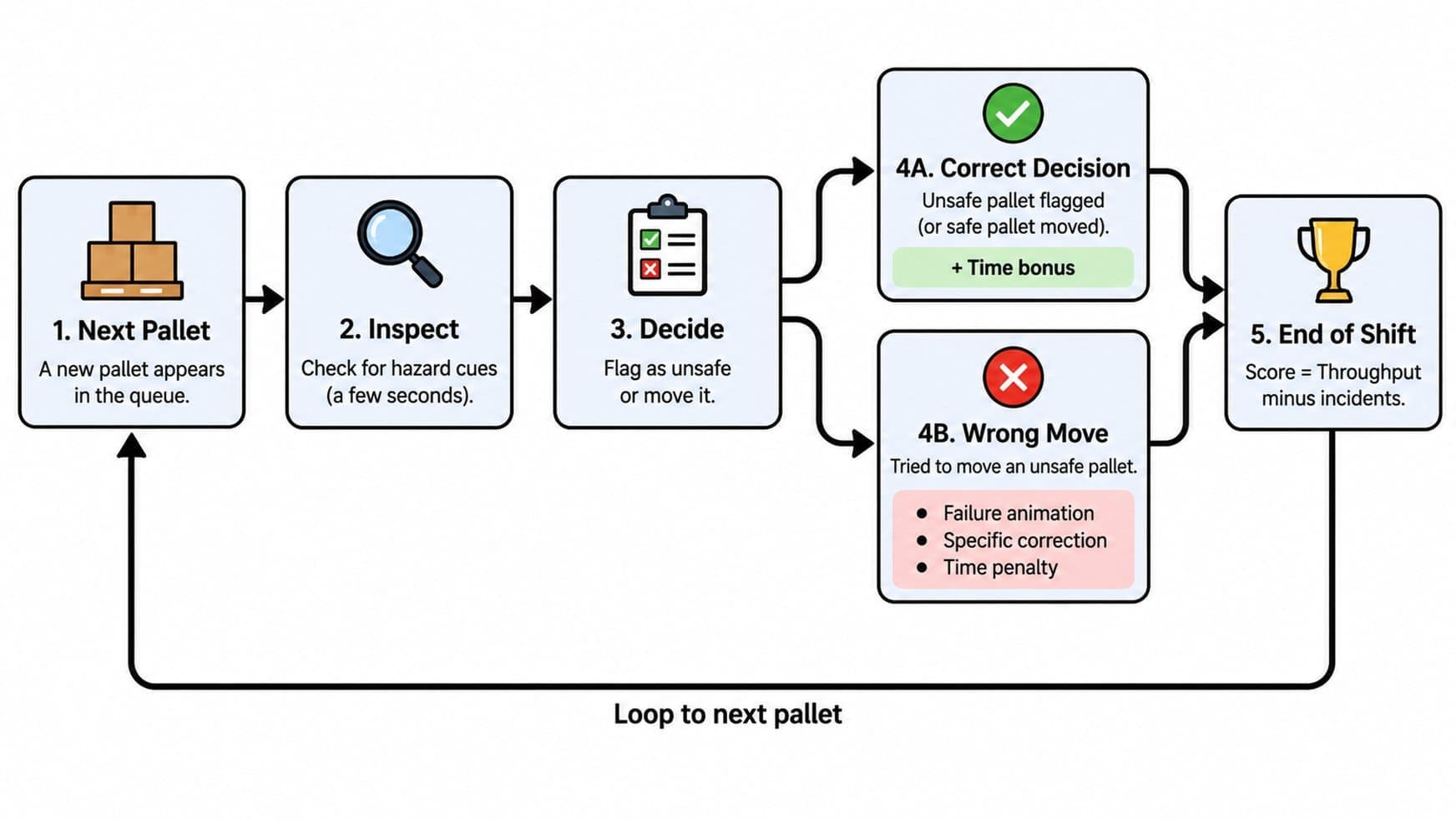
So, what you need here is a version of a warehouse-scanning loop. The player has a shift to get through, a throughput target and a queue of pallets. Each pallet has to be checked in a few seconds before the player commits to lifting it. Flagging an unsafe pallet correctly earns a small time bonus. Trying to move an unsafe one triggers a failure animation, a specific written correction and a time penalty. The shift ends with a score of throughput minus incidents.
That approach allows you to have three advantages:
- The shift pressure forces the player to build pattern recognition, besides building relevant knowledge.
- The throughput-vs-incidents tension sort of repeats the real workplace tension between speed and safety.
- The score gives you useful data, as we have already mentioned before.
One more principle. Mechanics have to serve the learning goal, not get added because they’re on-trend. Leaderboards on a game about working together actively undermine the goal. A points economy on a game about clinical judgment can, in a bad case, teach people to game the wrong thing. Serious game design is about picking the right mechanic for the outcome, because it has to lead to tangible results.
Prototyping and playtesting
You have to test the core gameplay loop before you spend real money on it. Art and content are the most expensive parts, and if you validate the loop first, you will simply protect a budget.
- Paper prototypes test a mechanic without code. A stack of index cards, a printed decision tree and two people at a table can tell you if a core loop works very quickly, not more than in half a day.
- Greybox builds are digital prototypes with placeholder art and rough interfaces. They test whether the loop works at real speed with real inputs (mouse timings, response windows, difficulty ramps). You will have vital knowledge before an artist spends four weeks producing final assets for a possibly broken mechanic.
- Vertical slices are polished playable segments, usually one or two levels, that show what the finished game is.
Iterate before art production. It is a very simple math: fixing a mechanic problem in a greybox build takes a week, instead of dealing with the same problem after the final art is done.
Production
Production takes most of your time and budget:
- Art direction and asset production. Character design, environment art, UI, animation. You agree about style early, then production runs in a pipeline the art directors manage to keep rework down.
- Engineering. Gameplay code, backend systems, integrations, platform ports. Technical architecture depends on the platform, and platform calls made in production are expensive to reverse.
- Content and narrative writing. Scenarios, dialogue, voice-over scripts. If the game teaches through story, this workstream is on the critical path.
- Audio. Sound design, music, voice recording. Under-scoped at a brief stage, always more work than the client expects.
- Localisation. If the game runs in multiple languages or markets, localisation has to take place from the very beginning.
Integration and deployment
Deployment depends on the audience and the buyer. The usual questions:
- LMS integration. Corporate deployments usually need the game to talk to the client’s learning management system. SCORM is the standard; xAPI (also called Tin Can) is the modern one, and you need it if you want proper play data.
- Platform. Browser-based HTML5 is the default for public-facing projects because there’s nothing to install. Mobile stores add friction but reach more people. Standalone desktop and VR builds have specialist uses.
- Accessibility. Australian education and government clients usually require it, most projects work to WCAG 2.1 AA as a floor. Retrofitting accessibility is expensive. Designing for it isn’t.
Measurement and validation
Proving the game actually worked usually means some combination of the following:
- Pre- and post-play assessment. The same test before and after play, ideally with a gap between play and the second test, so you’re measuring what is really working.
- In-game telemetry. The data captured while people play. Shows you where they got it, and where your design assumptions were wrong.
- Control-group comparison. Where you can, a matched group that gets regular training instead of the game, so you can tell what the game did versus what any training would have done. It is not, however, the case in commercial projects, but a standard in clinical and research ones.
- Testing the effect. Testing whether the effect is still there at 30, 90 or 180 days. This is where most training investments usually lose their effect, and where the best serious game projects stand out. Sitzmann’s meta-analysis found the retention effect was bigger, not smaller, at the delayed check when people had really played the game.
Launching is never the end of a serious game project. The data comes back, you tune the game, and then the outcome improves.
Fgfactory’s serious games development expertise
Fgfactory is a Melbourne based studio with 16 years of experience in game development. Not only the studio built successful classic games, but delivered many recognised titles in the serious games industry, too. For example, for CSIRO, Fgfactory created a serious game on public science engagement (Quantum Cats, STEM game “Robot Responders”), and for In-Game Learning plain language training game “The Plain Game”. Thanks to the success of these titles, the collaboration grew into a long-term.
Fgfactory has a specific approach to serious games development that was refined through years of working on different titles that pursued different goals in various industries. The pipeline consists of discovery, design, prototyping, production, deployment and measurement. All of it is done in-house, so clients and subject-matter experts work with one team, not a chain of subcontractors.
Fgfactory offers:
- Full-cycle serious game development services;
- Game art production: character design, environment art, animation and UI.
Moreover, there are different collaboration models. You can book full-cycle development (the studio runs the project end to end), or get only a dedicated team (the studio embeds a nominated team into a client programme). Finally, you might not need any of those but require help from a side to your existing team. We offer co-development for that, offering to join your own dev team.
Serious game development services that we provide are all getting scoped against your real goals that we interview our clients about before anything begins.
Want to turn a training or education goal into a game people actually finish? Get a free consultation with Fgfactory.
FAQs about Serious Games
Serious games are created for reaching a practical, often real-life goal. It can be anything from learning a new subject in school to practicing high-level skills in the medical environment or even military.
Serious games can be used in any niche or industry, but the most common ones include education, corporate training, healthcare, defence, government, research and not-for-profit. Serious games for learning and workplace training are the biggest application categories.
Serious games in education are used for teaching facts, building skills, problem-solving, experiments, group work and testing what students have learned. They applied for K–12 students, universities and public science outreach. The main goal is to reach a specific learning outcome, so they are never just about entertainment. Serious games for learning in schools also work better when teachers get help using them, because they might sometimes be technically demanding.
Serious games for training are used for leadership, communication, negotiation, sales, customer service, compliance, safety and decision-making under pressure. They become a great learning tool when the outcome involves judgment or dealing with people, and less well for straight fact recall where a document or short video is faster.
As in any game development project, everything depends here on specifics of each case. Pricing is scoped project by project, and the main cost factors include but are not limited to platform, art fidelity, integrations and how much measurement you build in.
Small browser-based projects run 3–6 months from the beginning to launch. For bigger, middle scale projects, you might spend a year. But again, it all depends on the nature of the product. Clinically validated projects require trials, so they can run several years. The biggest factor in the timeline is how ready the discovery works at the start.