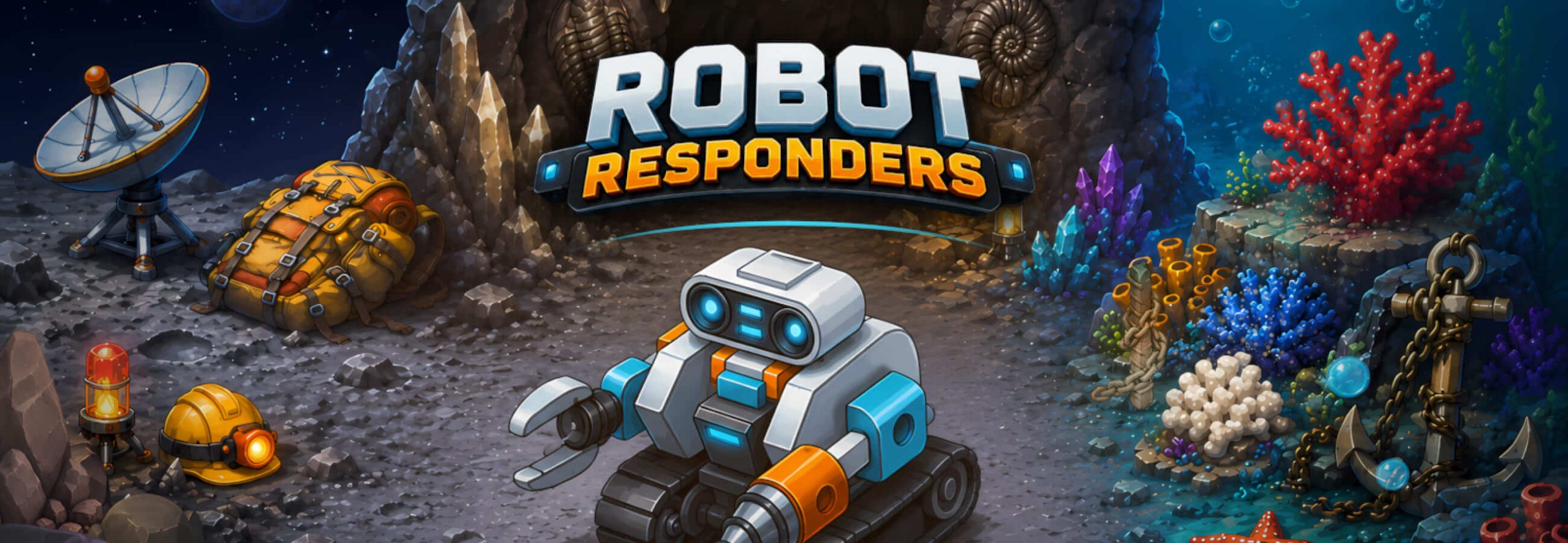


National Science Week runs from 15 to 23 August 2026, and CSIRO is marking the week with CSIRO Robot Responders, its 2026 National Science Experiment for schools, families and community groups. The initiative invites young people to explore how robots can help in environments that are too dangerous, difficult or inaccessible for humans, including caves and lava tubes, marine environments and space.
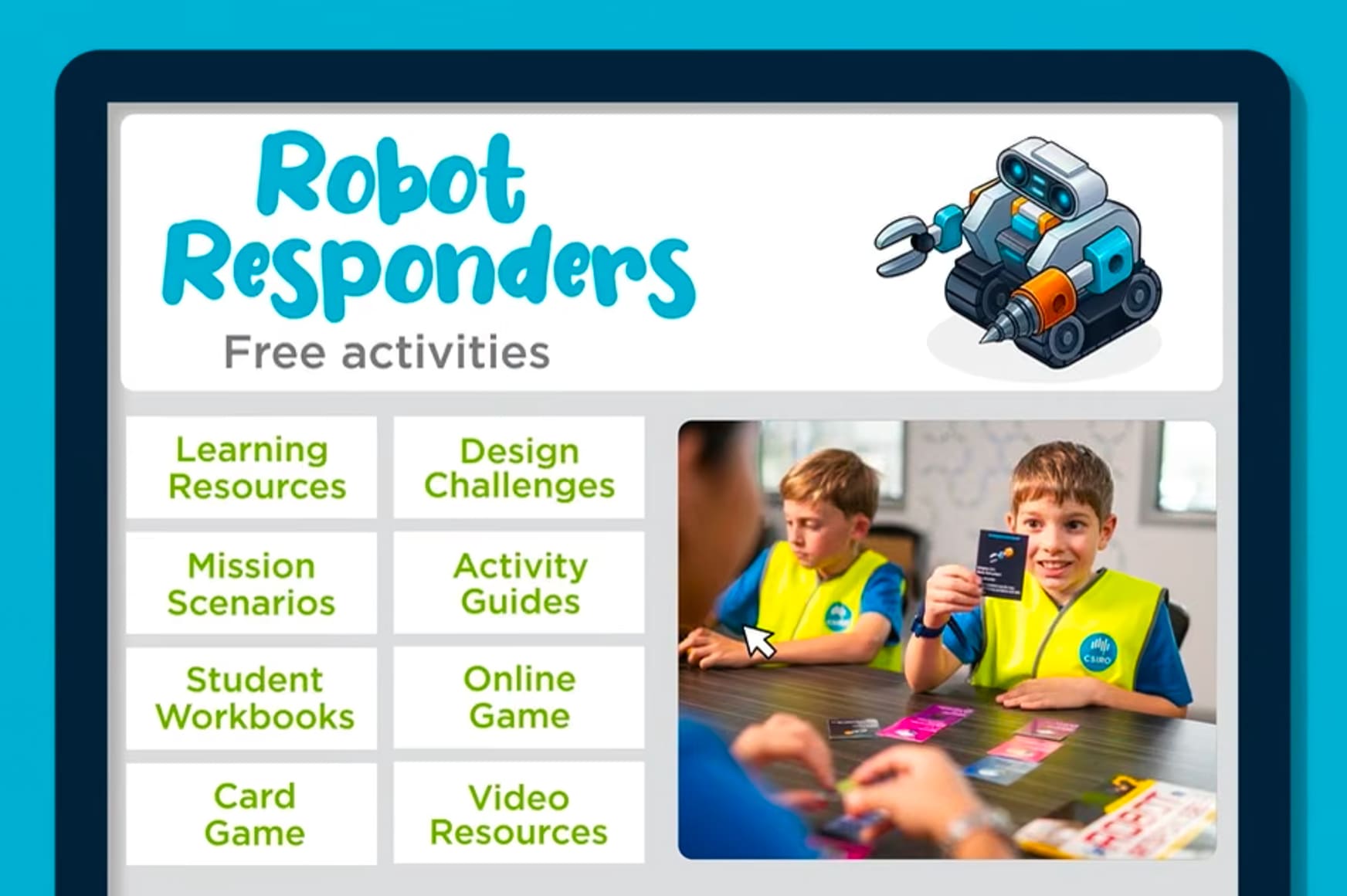
The online game is one part of a broader set of free activities, including curriculum-aligned educator resources, student workbooks, mission scenarios, a community guide and an unplugged card game. It gives students a hands-on way to think like robotics engineers, making design decisions, testing ideas and refining their robots to complete missions inspired by real CSIRO science and engineering.
The result is CSIRO Robot Responders, a free browser-based game available on CSIRO’s platform. Players step into the role of a robotics engineer and build a robot from different components before sending it into challenging environments such as a cave, a marine ecosystem or a lunar landscape. The game can be used on its own or alongside the supporting resources, giving teachers, families and community groups flexible ways to engage young people in robotics, engineering and problem-solving.
Fgfactory developed the online browser-based game component. The wider CSIRO Robot Responders initiative draws on CSIRO robotics research and was developed with input from CSIRO robotics specialists, who helped strengthen the scientific accuracy, mission realism, accessibility and educational value of the experience.
As automation, robotics and artificial intelligence become an increasingly important part of our world, STEM skills will help young people navigate and shape the future. Projects like this can help young people encounter these fields early, build problem-solving skills and see how STEM can be used to tackle real-world challenges.
The game opens CSIRO robotics research up in an accessible, playable format, and fits into a broader suite of education resources designed for classrooms, homes and community settings.
The concept of designing robots for places humans can’t go
Many robotics games for young people focus on driving or controlling a robot. CSIRO Robot Responders takes a different approach: it starts with a real-world challenge, and the robot is designed as part of the solution.
Each mission begins with a scenario. For example, players might need to navigate an underground environment, support work in a marine ecosystem or explore a space environment. These scenarios are inspired by real CSIRO robotics applications in caves and lava tubes, marine environments and space exploration.
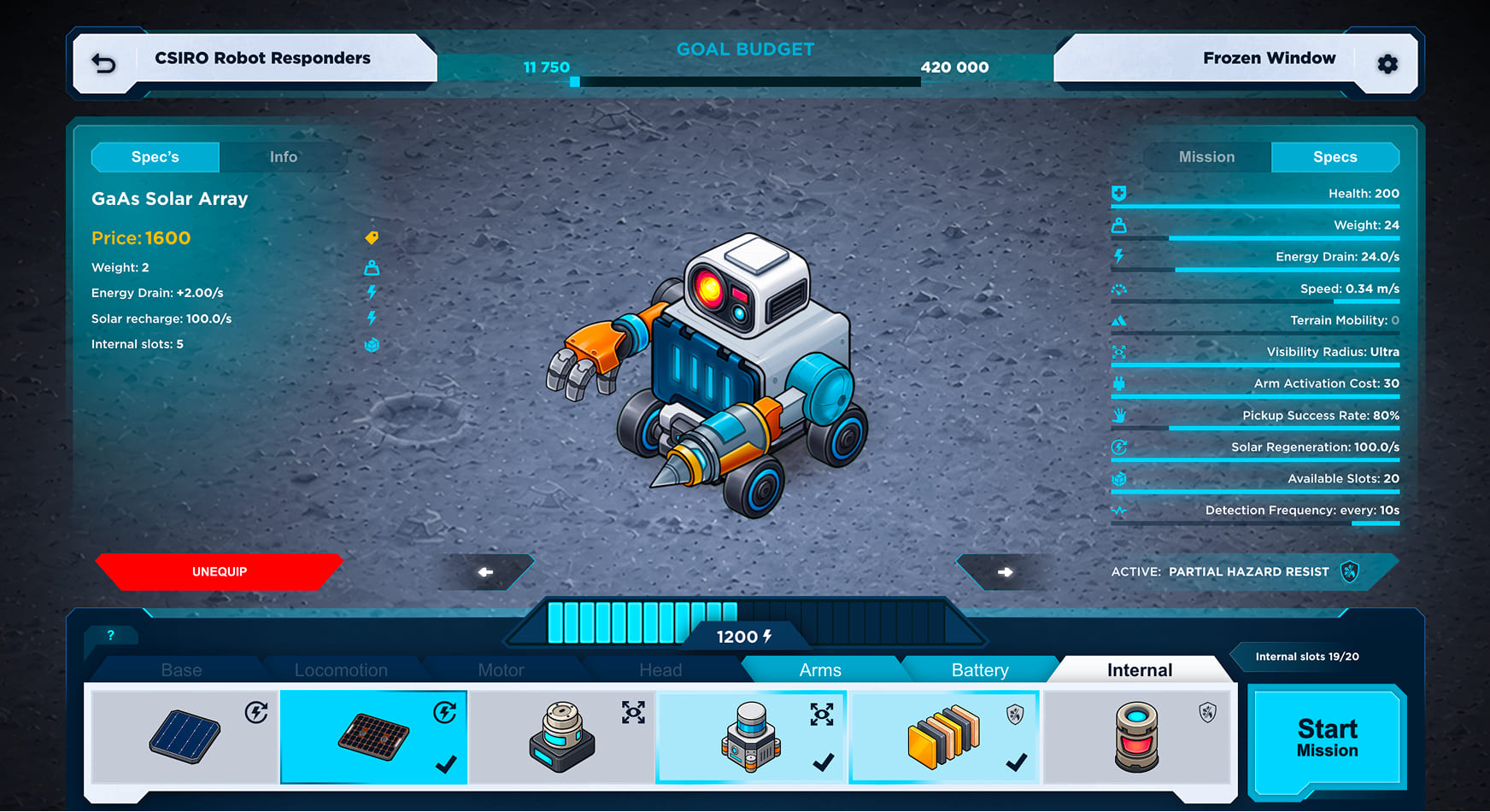
Before players start building, they are given context about why people can’t simply go and complete the task themselves. This helps frame the robot as a tool that can extend human capability, rather than replace people.
That distinction is important. Robots can help people explore hazardous, remote or hard-to-reach environments, collect information and complete tasks that would otherwise be difficult or unsafe. CSIRO’s own education materials describe robots as helping humans work in places that are too dangerous or difficult to reach.
Did You Know?
Engineers often describe some robotics applications as being too dull, dirty or dangerous for humans. In the CSIRO education explainer, robotics specialists discuss how robots can be deployed in extreme heat, toxic or remote areas, as well as in disaster relief situations.
The core loop and gameplay mechanics
The game asks players to work through an engineering design process: choose a mission, review the challenge, build a robot, test it in the field and refine the design.
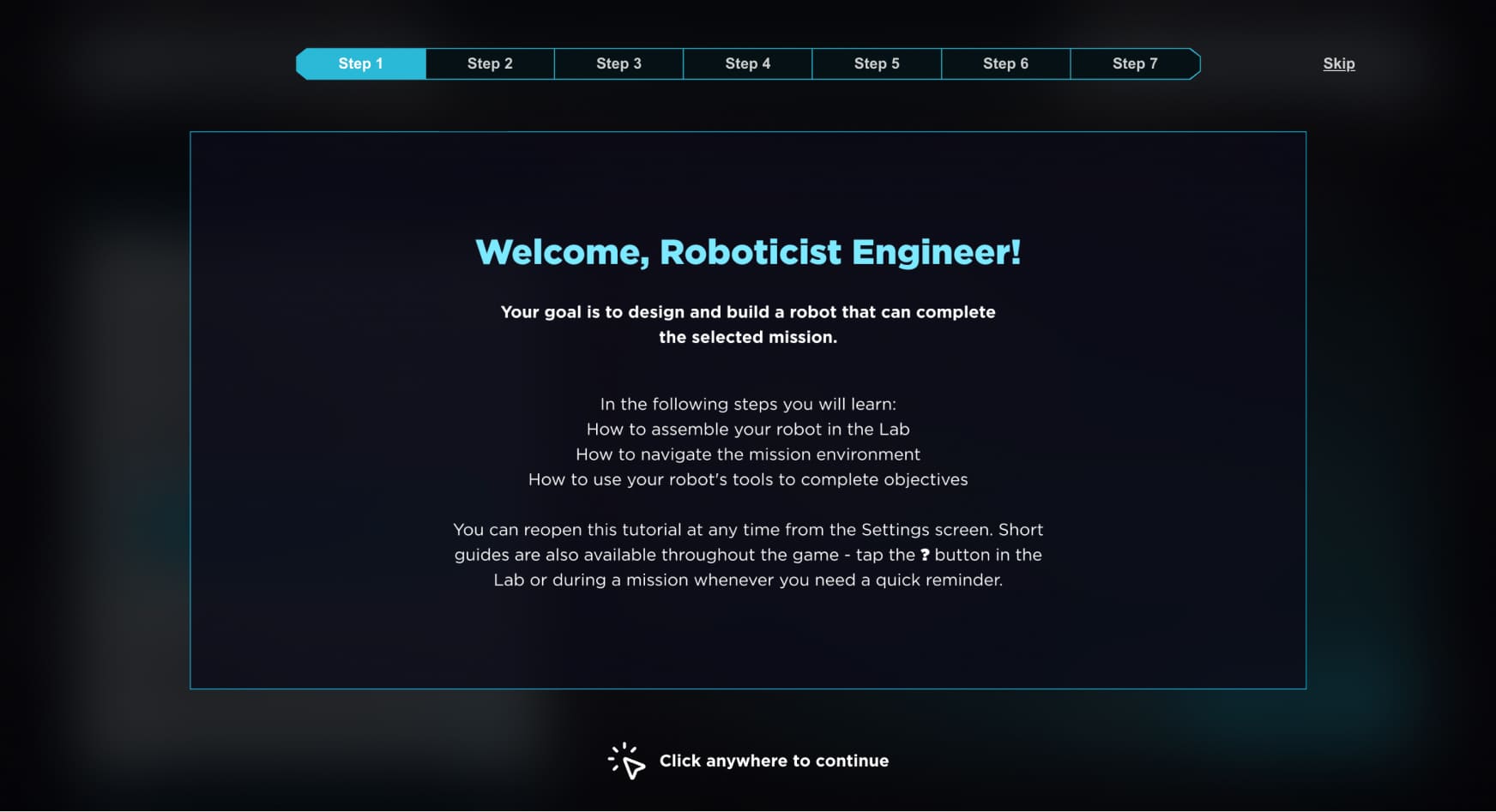
The core gameplay loop consists of:
- Select a mission
- Analyse the requirements
- Build and adjust the robot in the lab
- Deploy it into the mission environment
- Test, fail, refine and try again
That loop supports one of the key learning goals of the initiative: helping young people practise problem-solving, critical and creative thinking, engineering design processes, and collaboration and communication skills.
The mission set-up gives players enough information to make design decisions, including the environment, the task and the constraints their robot will need to manage. The aim is not just to complete a level, but to encourage students to think about why different robot designs suit different environments.
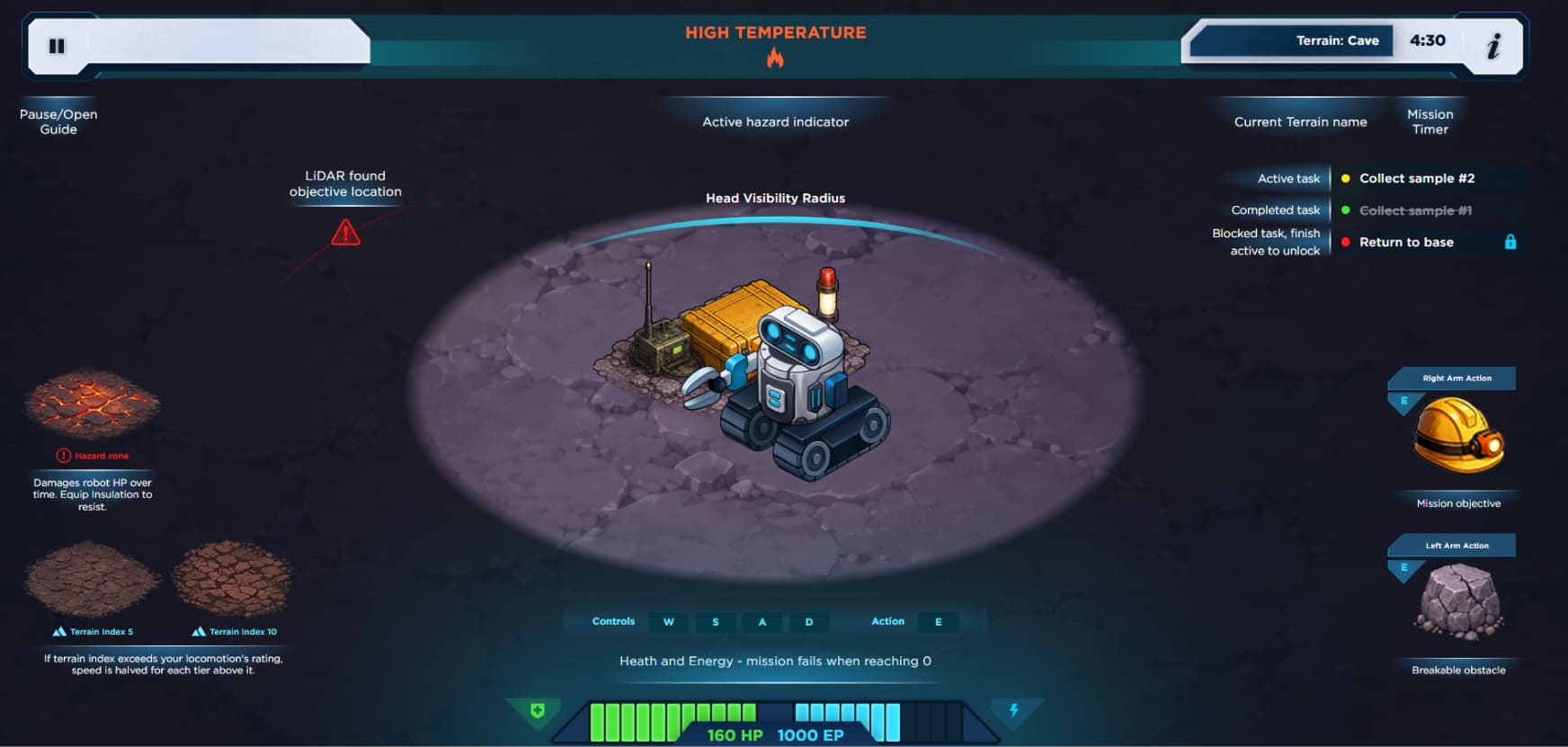
Running through the game are trade-offs around movement, sensing, energy, cost and mission requirements. These choices help students see that engineering is rarely about choosing the “biggest” or “strongest” component. It is about finding the best fit for the task.
Pro Tip:
Engineering is rarely about getting things right the first time. CSIRO Robot Responders encourages players to test ideas, learn from the results and refine their designs, just as engineers do in the real world.
Engineering real trade-offs in the lab
The lab is where players make design choices. They can select different robot components and consider how those choices affect the robot’s ability to complete the mission.
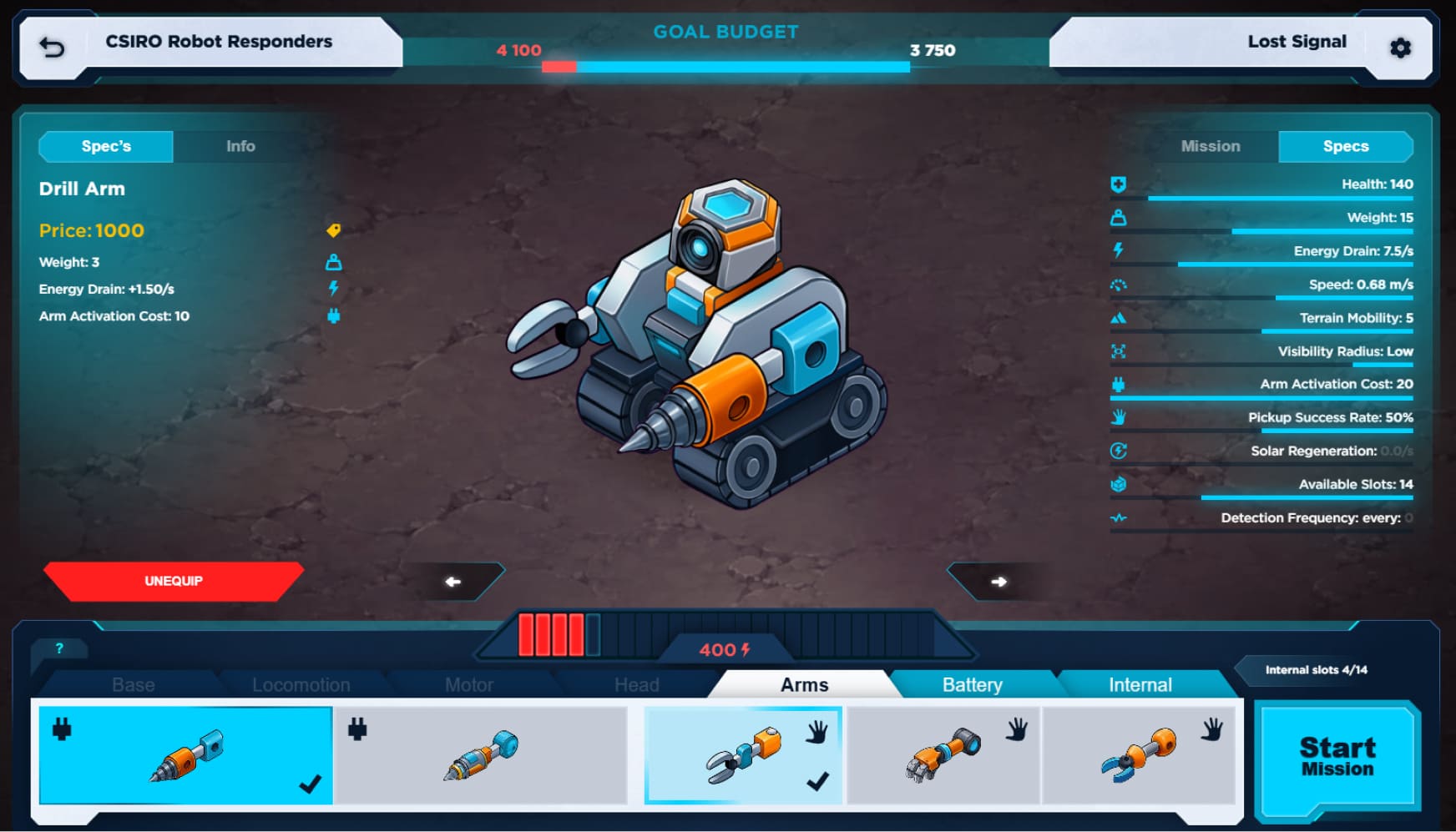
This is where the experience becomes more than a simple game. Players need to think about how their robot will move, what it needs to sense, how it will navigate and what it needs to do. These are the same broad design questions CSIRO roboticists discuss in the supporting education materials.
The game introduces young people to the idea that every design choice involves a trade-off. A robot may need to be strong enough to complete a task, light enough to move efficiently and equipped with the right tools for the mission environment. Budget and energy also help shape those decisions.
This makes the activity useful for STEM learning because it brings together science, technology, engineering and mathematics in a hands-on, creative way. Robotics is a strong vehicle for STEM learning because it helps young people ask questions, test ideas, solve problems, think critically and work collaboratively.
Deploying into the field
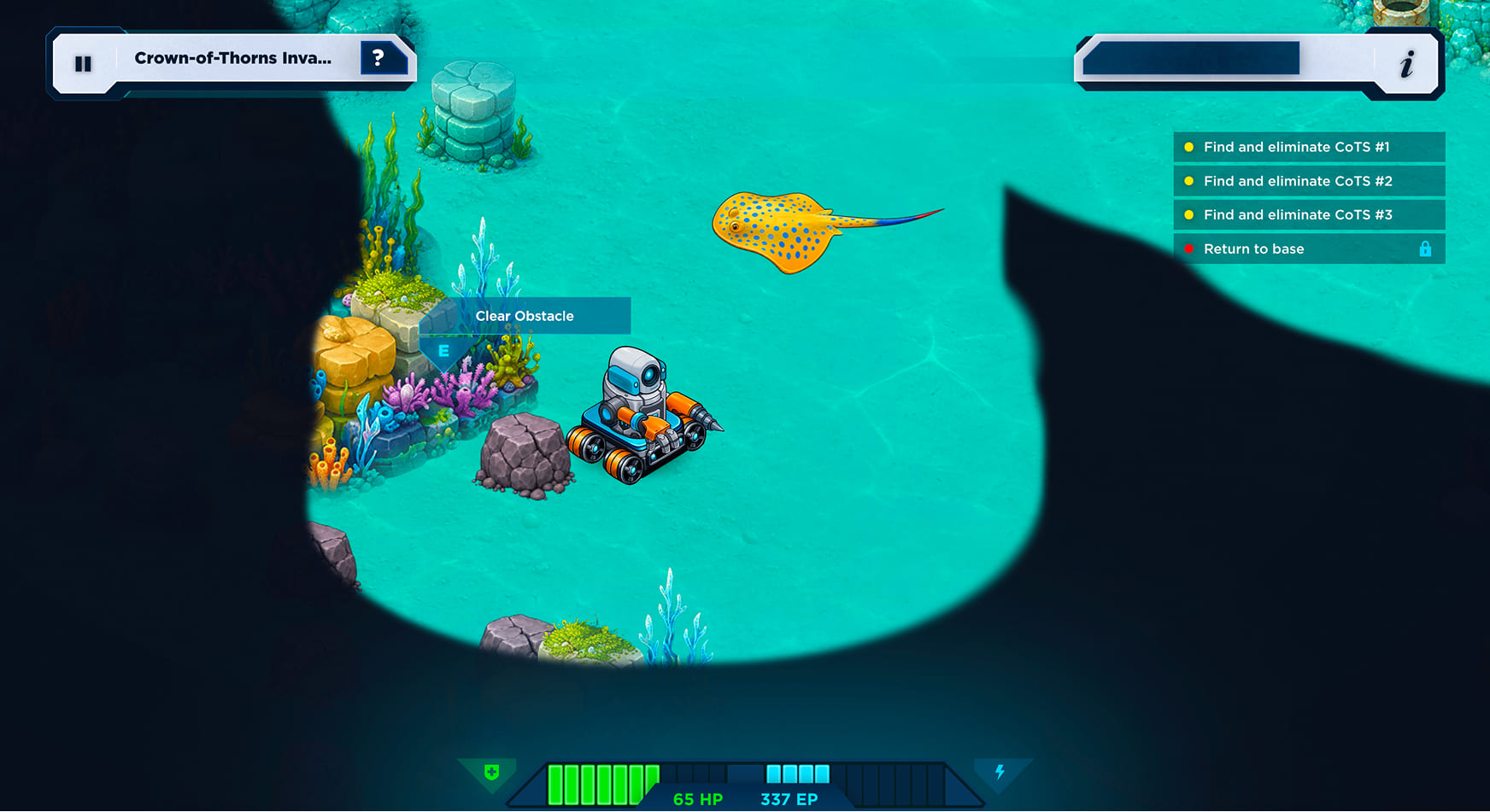
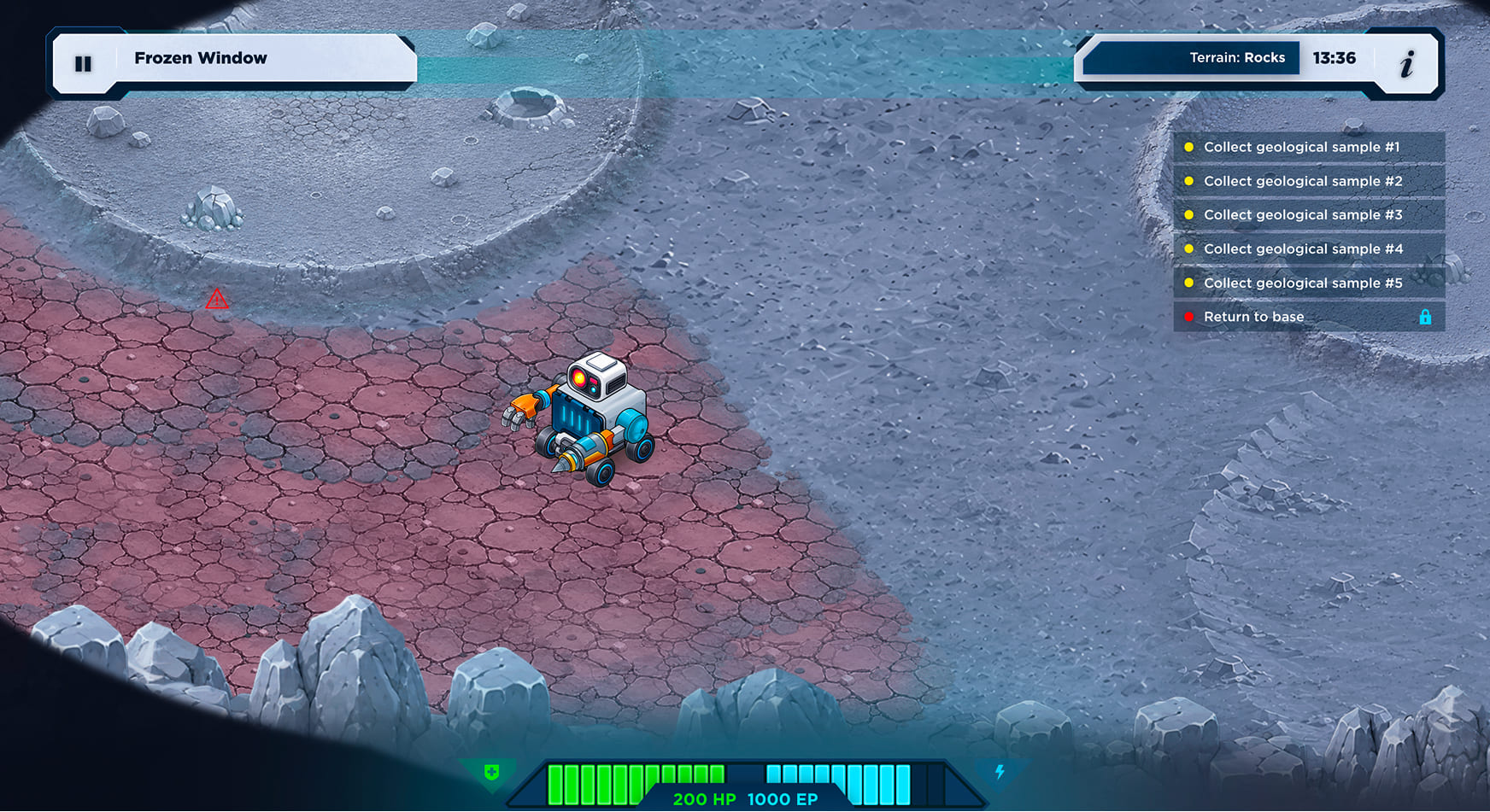
Once the robot is built, the player sends it into the mission environment and tests whether the design works.
The mission environments are designed to show why robot design depends on context. A robot working underground faces different challenges from one operating in a marine environment or in space. Students explore how factors such as movement, sensing, terrain and environmental conditions can shape the design.
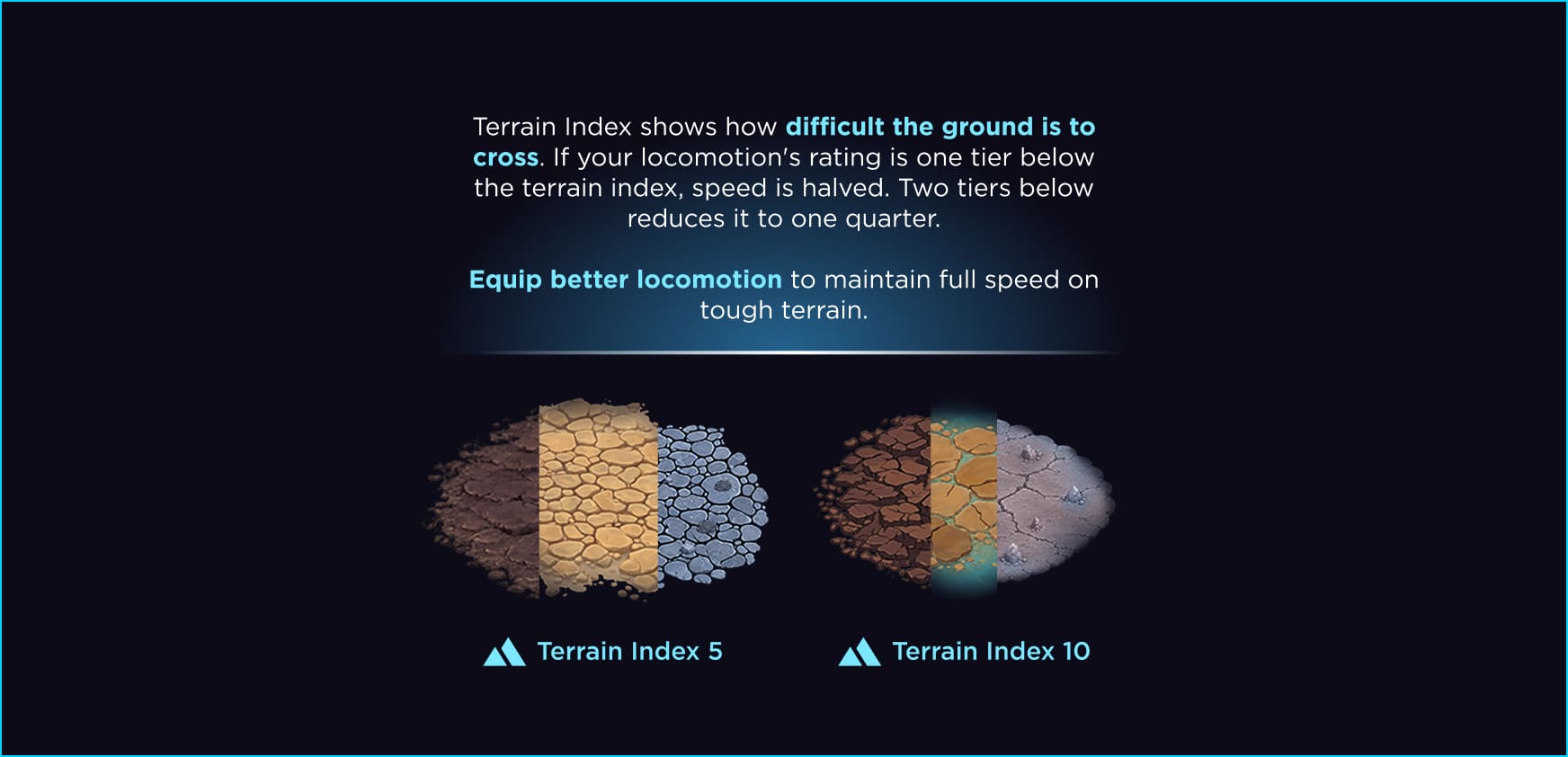
That is the learning value of the game: players are not simply told that robot design involves trade-offs. They experience those trade-offs as they test and refine their robots.
The ability to revisit and adjust a design is also important. Robotics education often aims to help students test, fail and improve. Making it easy to try again helps reinforce that engineering is an iterative process.
Three domains, real science
The game missions are inspired by CSIRO robotics applications across three broad environments: caves and lava tubes, marine environments and space exploration.
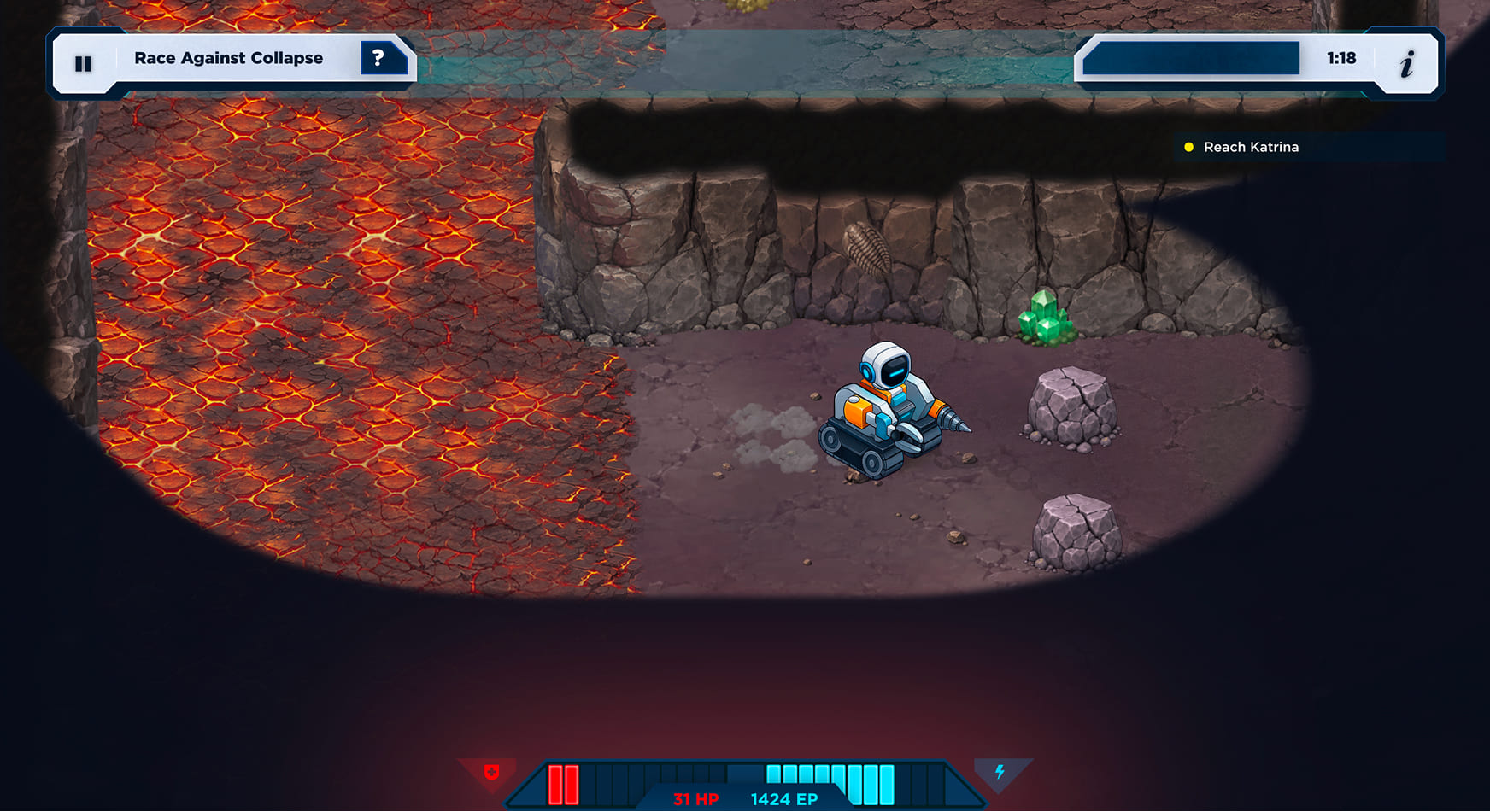
These domains give students different entry points into STEM. Caves and lava tubes can prompt discussion about navigation, mapping and working without easy communication. Marine environments connect robotics to ecosystems and environmental monitoring. Space exploration introduces questions about terrain, distance, autonomy and operating in environments humans cannot easily access.
Together, these settings help show that robotics is not one thing. Robots can be designed for many purposes, and their design depends on the mission, the environment and the problem they are helping solve.
Part of a bigger initiative
The online game is one component of the broader CSIRO Robot Responders initiative. The program also includes free learning resources, student workbooks, mission scenarios, a community guide and a collaborative card game, making it flexible for schools, families and community groups.
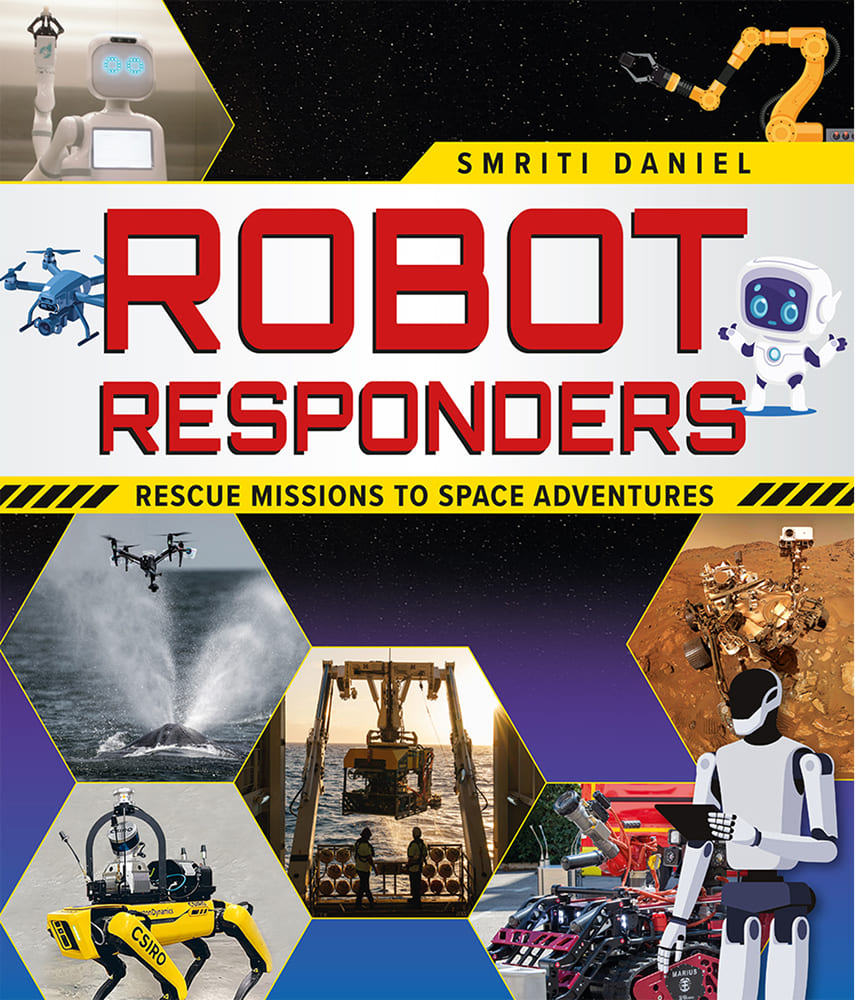
The companion book, Robot Responders: Rescue Missions to Space Adventures by Smriti Daniel, is published by CSIRO Publishing and explores robots that tackle fires and floods, work in radiation zones and dive into the deep sea.
The broader initiative is designed to make robotics and engineering more accessible to young people, particularly students in Years 5–8. The FAQ describes the program as suitable for older primary students and those starting secondary school, with real-world robotics challenges and creative design tasks to keep participants engaged.
The initiative also connects young people with the people behind the science. Internal materials note that real-life CSIRO robotics engineers feature as characters in the interactive game, and that every challenge draws on the work of CSIRO robotics researchers and engineers.
Built for the browser, free, and curriculum-aligned
CSIRO Robot Responders is a free online game that can be played in a browser, with no special equipment required. The broader resources are designed to be flexible, so educators can adapt activities, groupings and timing to suit their classroom needs and learning goals.
That matters for schools. A resource that is free, accessible and curriculum-aligned is easier for teachers to use, especially when it can be delivered as a standalone activity or combined with classroom resources, student workbooks, mission scenarios and the unplugged card game.
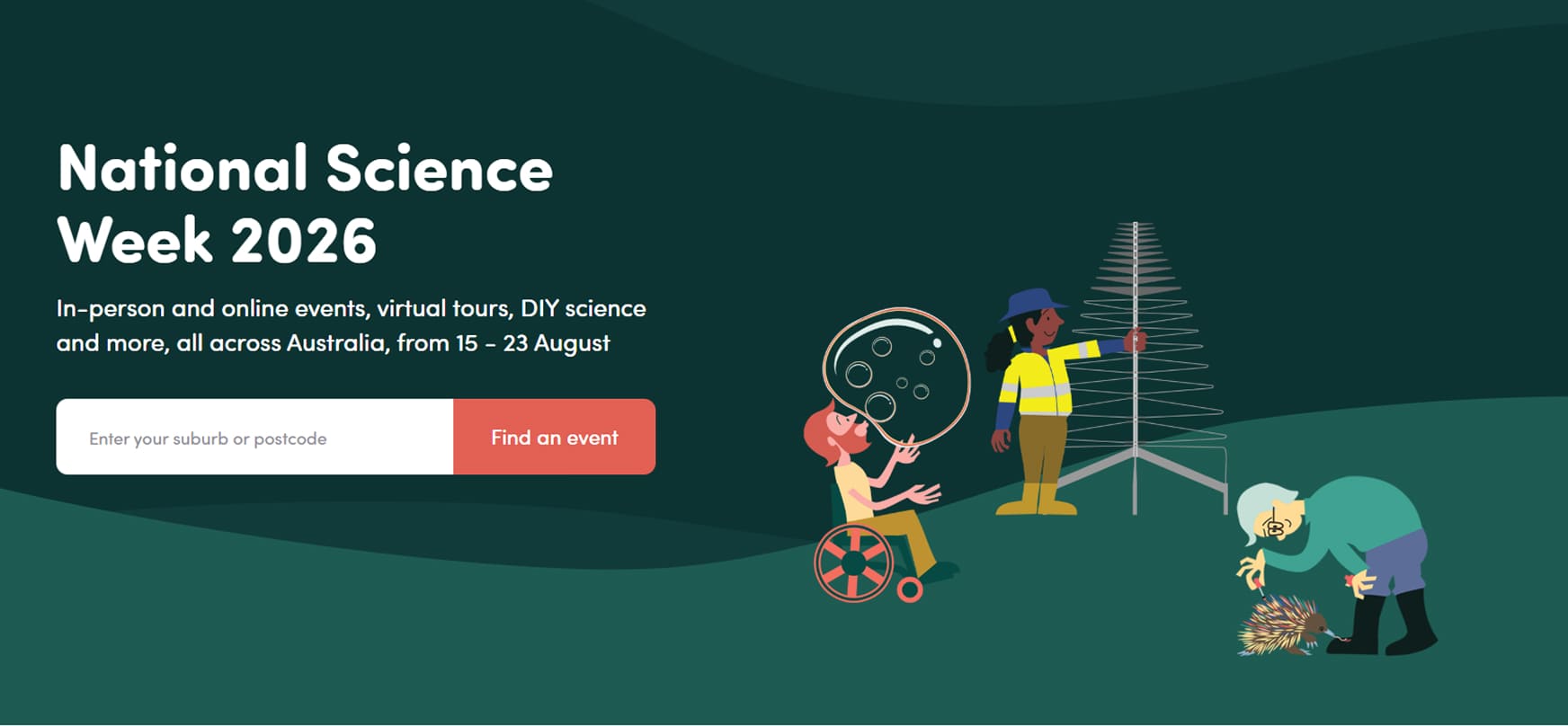
The game is available beyond National Science Week, while National Science Week 2026 provides the launch moment for the broader campaign.
Fgfactory’s role in educational game development
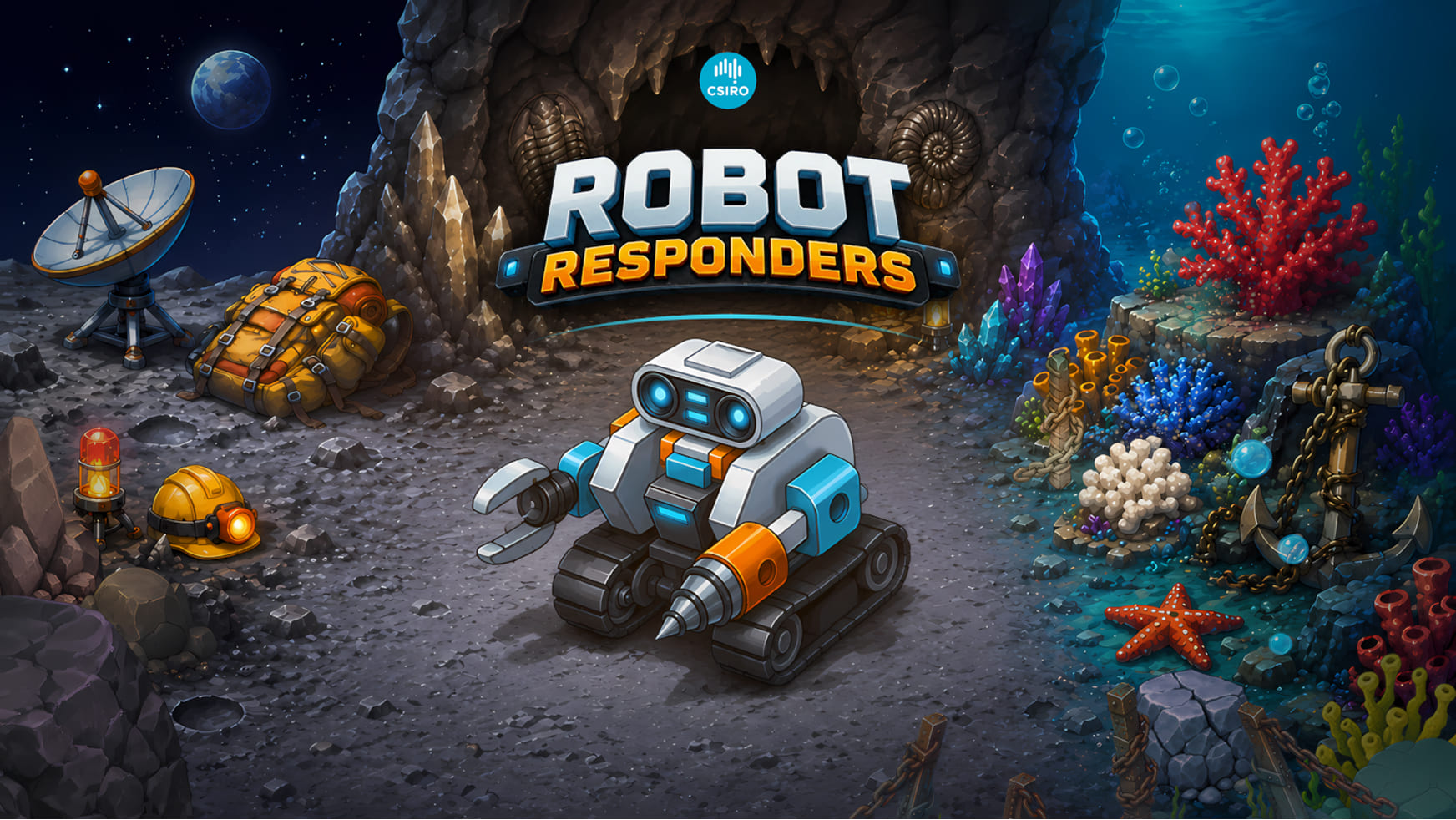
For Fgfactory, the project involved turning CSIRO’s robotics-inspired learning goals into an interactive browser-based experience. The challenge was to create a game that felt engaging, while still supporting the educational purpose of the broader CSIRO Robot Responders initiative.
The strongest part of the experience is that the gameplay is built around engineering decisions. Players need to think about the mission, choose components, manage constraints and refine their design. In that sense, the game supports the same learning behaviours promoted through the wider CSIRO resources: problem-solving, critical and creative thinking, and engineering design.
Getting robotics for young people right means resisting the temptation to reduce it to robots that simply move around a screen. CSIRO Robot Responders gives students a way to explore how robots are designed for a purpose, shaped by their environment and improved through testing.
Australia’s future depends on young people seeing STEM as creative, useful and connected to real-world challenges. CSIRO Robot Responders helps make that connection by inviting students to design, test and refine robots inspired by authentic CSIRO science and engineering.
Looking to bring your organisation’s mission to life through an engaging, playable experience? Contact Fgfactory today.